Atlanta’s storm season arrives without much warning, and the roof overhead is the first line of defense when severe weather rolls through the metro area. Hailstorms, high winds, and extended heavy rainfall test every component of a roofing system, from the membrane and flashing to the drainage infrastructure and fasteners. Waiting until damage becomes obvious from inside the home often means the structural problems outside have already progressed well beyond a straightforward fix.
As a trusted provider of residential roofing services in Atlanta, we see the same preventable pattern throughout the year: minor issues ignored through the off-season that turn into serious failures when the first major storm of spring arrives. Our roof repair team is built around proactive intervention, and we want every property owner to know what warning signs to look for before the season begins.
Whether a system needs a targeted fix or a full assessment, finding dependable roof repair property owners can rely on starts with knowing when to call and what to watch for.
What Are the Most Common Warning Signs of Roof Damage?
The most common warning signs include cracked, curling, or missing surface material, granule loss from asphalt-based systems, blistering or bubbling in flat membranes, visible daylight through the attic space, interior water stains on ceilings or walls, and deteriorating or displaced flashing around vents, HVAC units, and parapet walls.
Seasonal weather data tracked by the National Weather Service Atlanta forecast office confirms that the metro area experiences severe thunderstorms, hail events, and high-wind episodes consistently from spring through early fall. Before the first major storm of the season, a careful walkaround of the building exterior and a quick check inside the attic can reveal developing conditions that point directly to a repair need.
Visible Shingle or Membrane Deterioration
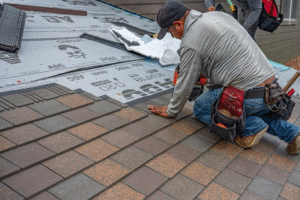
On asphalt-based residential systems, the clearest early warning sign is granule loss. When gutters collect dark, sand-like deposits after rainfall, the protective coating on the shingles has begun to erode and will not provide reliable waterproofing for much longer. Cracking, curling at the edges, or outright missing shingles leave the underlayment exposed to UV and rain.
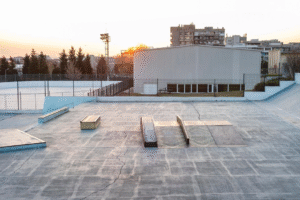
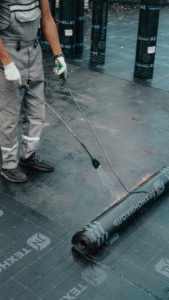
On flat or low-slope systems, watch for bubbles or blisters in the membrane surface, seams that are separating, and any zones where the material appears cracked or unusually soft. Even small breaks in a flat roof membrane allow water to migrate beneath the surface and saturate insulation and decking before any interior leak appears.
Interior Water Stains and Active Leaks
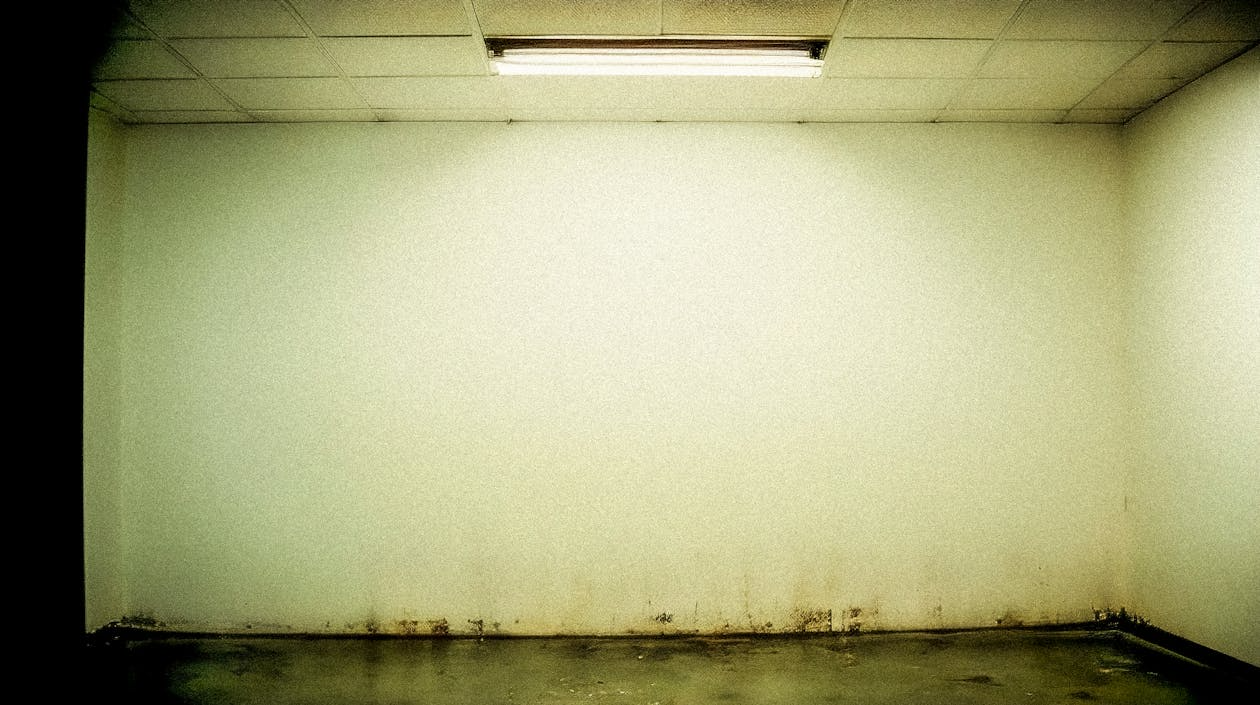
Stains on ceilings or walls rarely appear directly below the entry point. Water entering through a compromised roof surface travels along structural members and insulation before reaching finished surfaces, meaning the entry point may be several feet from where the stain appears. Brown or yellow discoloration on ceilings, soft ceiling material, and musty odors near the roofline all signal that moisture has been entering for some time.
An active drip during or after rain is an emergency. A stain that reappears across multiple rain events means the problem is ongoing and the moisture exposure likely extends further than visible.
How Does Atlanta’s Storm Season Accelerate Existing Roof Damage?
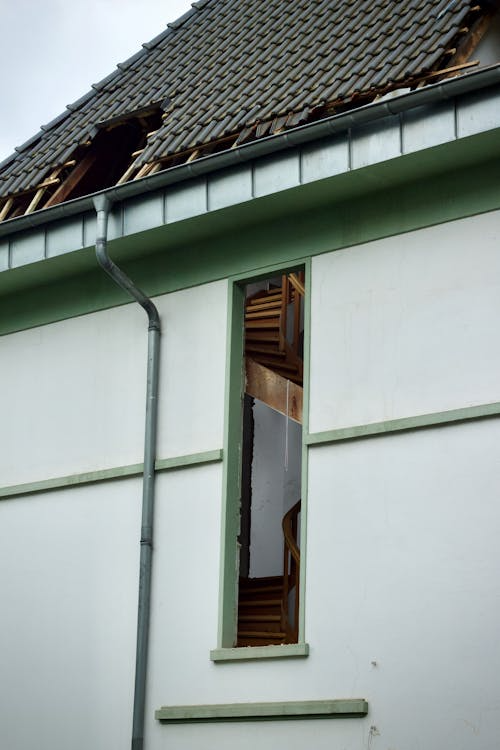
Atlanta’s storm season amplifies pre-existing damage because hail weakens already-deteriorating surface material, high winds pull at flashings and fasteners that have lost adhesion, and heavy rainfall overwhelms drainage compromised by debris accumulation. Damage that held stable through a dry winter can fail under the first severe storm of spring.
Georgia’s climate creates a demanding cycle for roofing systems. Summer heat drives thermal expansion that gradually separates seams and ages sealants. Winter cold then contracts material and stresses those same gaps. By the time spring storm season arrives, a roof that has gone without maintenance may be near failure without showing obvious signs from the ground.
Hail is a particular concern across Metro Atlanta. Even hail that causes no visible denting on metal can fracture the granule coating on asphalt systems or create micro-perforations in single-ply membranes. The EPA confirms that mold can begin growing within 24 to 48 hours of water exposure to organic building materials, meaning storm damage left unaddressed in May can produce active mold colonies in insulation and wall assemblies well before summer ends.
Is It Better to Repair or Replace a Damaged Roof?
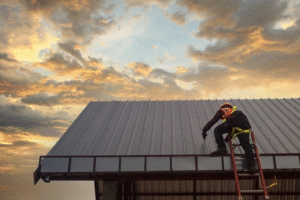
Whether to repair or replace depends on the roof’s age, the extent of damage, and how many repair cycles the system has already gone through. A professional roof inspection in Atlanta from a licensed contractor provides the objective data needed to make this decision accurately and cost-effectively before additional damage compounds the situation.
When a Repair Is the Right Call
If damage is confined to a specific area and surrounding material is sound, a targeted repair is usually the most cost-effective approach. Systems under 15 years old that have not undergone repeated major repairs typically respond well to targeted intervention. Insurance industry data from the Insurance Information Institute consistently shows that timely repair claims resolve more favorably than claims involving damage allowed to worsen.
When Replacement Makes More Sense
When damage spans more than 30% of the total roof surface, when decking shows signs of rot or structural compromise, or when the same zones have required repeated repairs in a short period, replacement becomes the more financially rational decision. A system that continually requires patching costs more in ongoing maintenance than a new installation would over the same period. Our assessment process gives property owners an honest comparison of both options with no pressure either way.
Image Link: https://www.pexels.com/photo/construction-worker-working-17395034/
Image Filename: roofer-inspecting-flat-roof-surface.jpg
Image Alt-Text: roofer inspecting the surface of a flat commercial roof
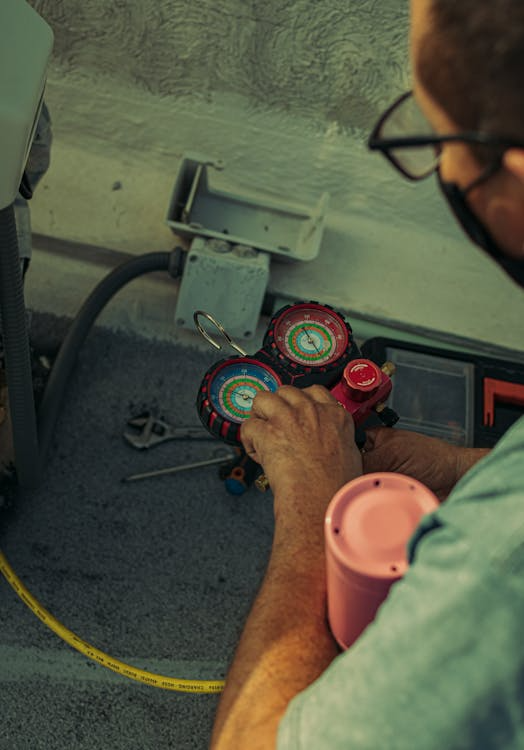
Image Caption: A licensed roof inspector provides the objective assessment needed to choose accurately between targeted repair and full system replacement.
How Often Should Atlanta Homeowners Schedule Roof Inspections?
Atlanta homeowners should schedule professional roof inspections twice per year: in the spring before storm season begins, and in the fall before cold weather arrives. An additional inspection should always follow any significant weather event, including hailstorms, high winds, or sustained heavy rainfall that may have caused damage not visible from the ground.
Twice-yearly inspections keep property owners ahead of developing problems. A spring visit identifies winter damage before storm season adds further stress. A fall visit prepares the system for cooler months and clears drainage before the heaviest rainfall period. For commercial owners, documented inspections support manufacturer warranty compliance and strengthen future insurance claims. The cost of two professional visits per year is reliably less than a single emergency repair, and the math consistently favors the proactive approach.
Don’t Let Atlanta’s Next Storm Find a Roof That Isn’t Ready
Absolute Roofing Services is a trusted roofing contractor in Atlanta with more than 50 years of combined experience serving residential and commercial property owners across the metro area. We deliver affordable roofing in Atlanta without compromising on material quality, workmanship, or the transparent communication every property owner deserves.
Schedule your pre-storm season inspection with our team before the next weather event makes the decision for you. Review our roof inspection services to see what a professional assessment covers, or reach out to Absolute Roofing Services now to book your visit and get ahead of the season.