Choosing the right roof starts with understanding how different materials respond to heat, humidity, rain, wind, and seasonal storms. Comparing roofing materials that Georgia homes commonly use helps homeowners make smarter decisions about durability, maintenance, curb appeal, and long-term value overall.
Georgia’s climate is especially demanding. Hot summers can bake roofing surfaces, humidity can encourage moisture concerns, and storms can test shingles, flashing, fasteners, and drainage.
Here’s how different roofing materials compare under Georgia’s challenging weather conditions.
How Do Asphalt Shingles Perform in Georgia?
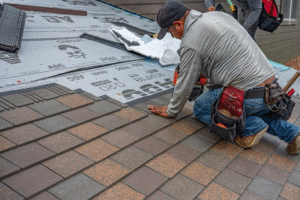
Asphalt shingles remain popular because they are affordable, familiar, and available in many colors and styles. For many Georgia homeowners, they offer a practical balance of appearance, cost, and performance when installed correctly by an experienced roofing contractor.
Heat is the biggest challenge for asphalt shingles. Constant sun exposure can dry materials, loosen granules, and shorten performance over time. Humidity and storms may also expose weak ventilation or flashing problems. Still, quality shingles with proper attic airflow can work well for many homes.
Asphalt shingles may fit homeowners who want a traditional appearance, reasonable installation cost, and easier repair options.
Is Metal Roofing a Good Choice for Georgia Weather?
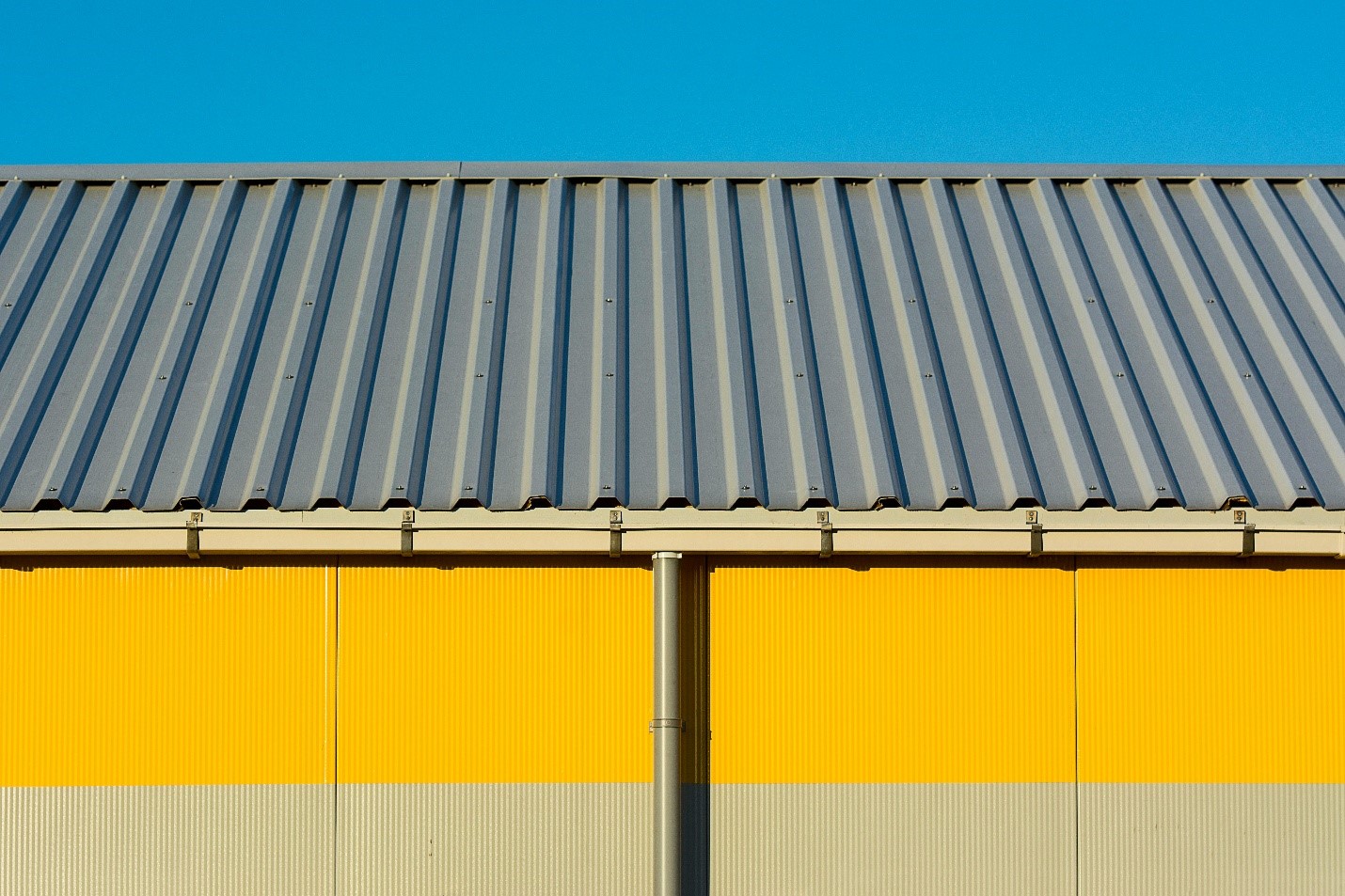
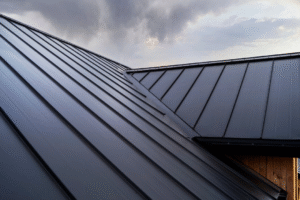
Metal roofing performs well in Georgia because it reflects heat, sheds rain efficiently, and resists many weather-related problems. It can be a smart long-term investment for homeowners seeking durability, energy efficiency, and lower maintenance needs.
Metal handles Georgia’s heat well, especially when reflective finishes are used. It can also move stormwater away quickly when the roof is properly designed. Homeowners comparing metal roofing in Marietta often value its long lifespan and clean appearance.
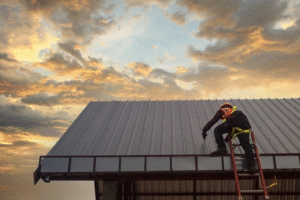
Installation quality matters. Panels, fasteners, flashing, underlayment, and ventilation must be handled correctly. A poorly installed metal roof can still leak, so choosing the right contractor is essential.
What Should Homeowners Know About Tile Roofing?
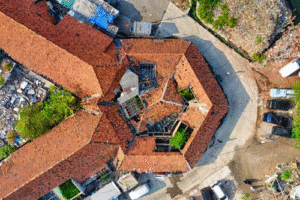
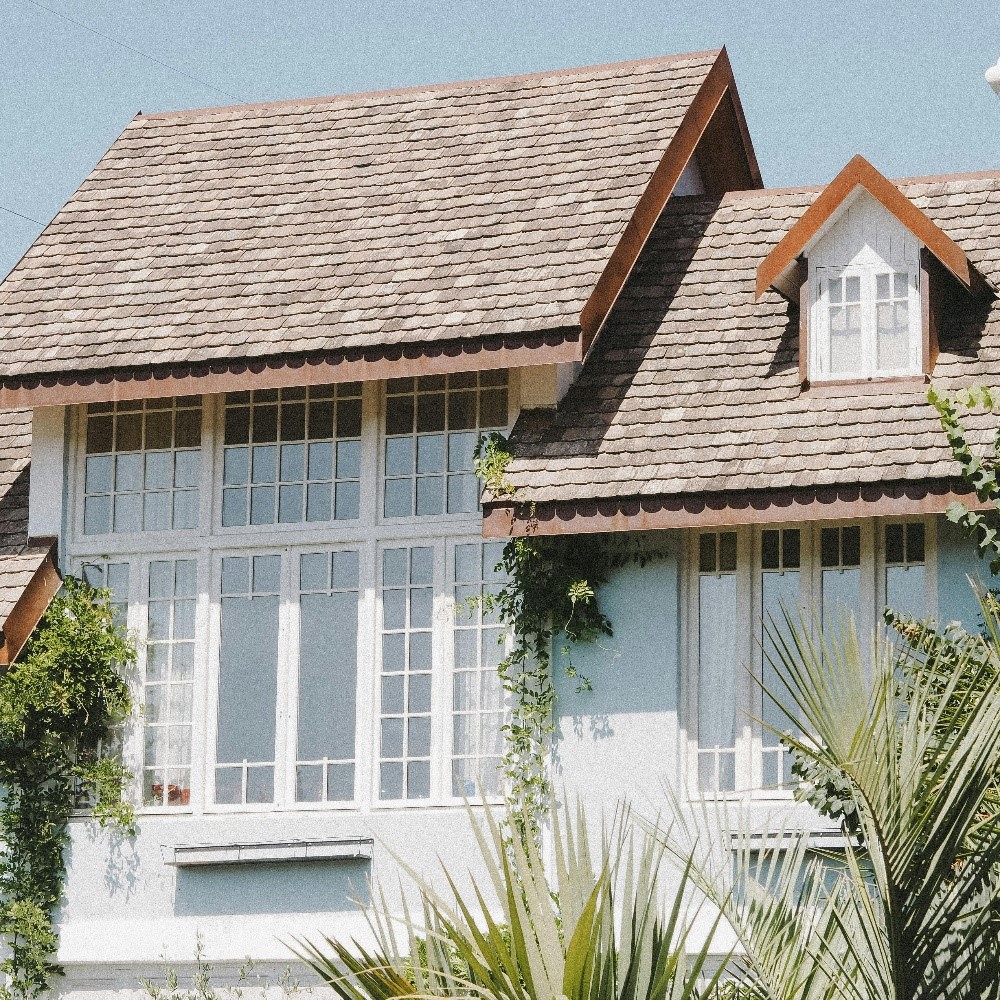
Tile roofing offers excellent durability, distinctive curb appeal, and strong resistance to heat. It can perform well in warm climates, but Georgia homeowners must consider roof structure, installation requirements, and storm-related impact risks before choosing tile.
Clay and concrete tiles are heavy, so not every home is built to support them without structural evaluation. Tile can also break from falling branches or foot traffic. However, when properly installed, it offers impressive longevity and a high-end look.
Are Flat Roofing Systems Only for Commercial Buildings?
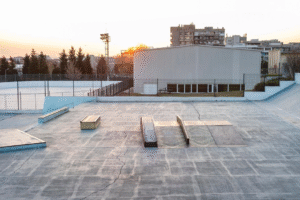
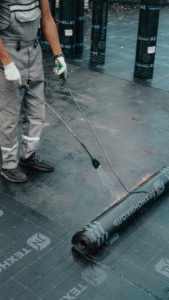
Flat roofing systems are common on commercial properties, but some residential homes also use low-slope sections, additions, porches, or modern designs. These systems need careful drainage, durable membranes, and professional installation to perform well in Georgia’s climate.
Flat and low-slope roofs face different challenges than steep roofs. Water does not drain as quickly, so ponding, seam wear, and membrane damage must be monitored. For homeowners seeking residential roofing in Lawrenceville, low-slope areas should be inspected regularly.
How Does Humidity Affect Roofing Materials?
Humidity affects roofing materials by increasing the risk of moisture buildup, algae growth, attic condensation, and hidden deterioration. Proper ventilation, quality underlayment, and routine inspections help reduce these risks for Georgia homes.
Moisture problems often start quietly. A roof may look fine outside while trapped humidity affects decking or insulation. This is why ventilation should never be treated as an afterthought. A balanced system includes intake, exhaust, drainage, and sealed penetrations.
How Should Storm Risk Influence Your Roofing Choice?
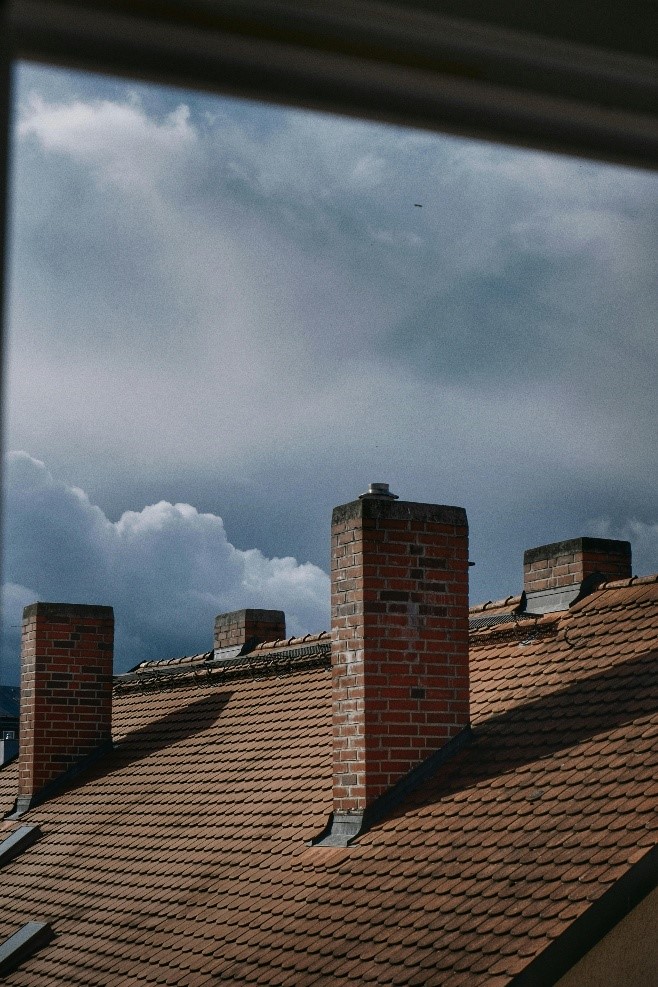
Storm risk should influence material selection because Georgia roofs must handle wind, heavy rain, hail, and falling debris. Strong materials, proper fastening, quality flashing, and professional installation help reduce storm-related damage.
No roof is stormproof, but some materials offer better resistance depending on the threat. Metal can shed rain and resist wind when installed correctly. Asphalt is repairable but may lose shingles in severe weather. Tile can last long but may crack from impact.
How Do You Choose the Best Option?
Choose the best roofing material by weighing cost, lifespan, maintenance, appearance, energy performance, roof slope, and local weather exposure. A professional commercial roofing in Lawrenceville can inspect your home and explain which options make sense.
The right decision should feel practical, not rushed. Ask about warranty coverage, expected maintenance, repair costs, ventilation, and installation details. Comparing roofing materials that Georgia homes use most often helps you choose a roof that protects your investment.
Why Choose Absolute Roofing Services?
Absolute Roofing Services helps property owners choose materials that fit Georgia’s climate, building needs, and long-term goals. If you need a dependable roofing service in Lawrenceville, their team provides clear inspections, skilled recommendations, and quality workmanship. Services include residential roofing services, commercial roofing in Atlanta, metal roofing, flat roofing systems, repairs, replacements, and roof maintenance.
Contact us today to schedule your estimate and choose the right roofing system for your property with confidence and care.