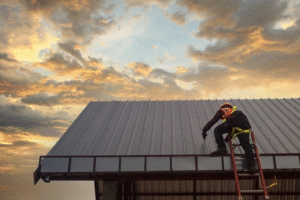
Hidden roofing damage often begins below the visible shingles, panels, or membranes. A professional roof structural inspection in Georgia helps identify weakened decking, failed underlayment, trapped moisture, and structural concerns before any repair or replacement project begins.
From the ground, a roof may look mostly normal. Underneath, however, heat, humidity, age, leaks, and poor ventilation can quietly affect the layers that support the entire system.
This blog explains how hidden roofing damage develops and why thorough inspections are essential before major roofing decisions are made.
What Is Roof Decking and Why Does It Matter?
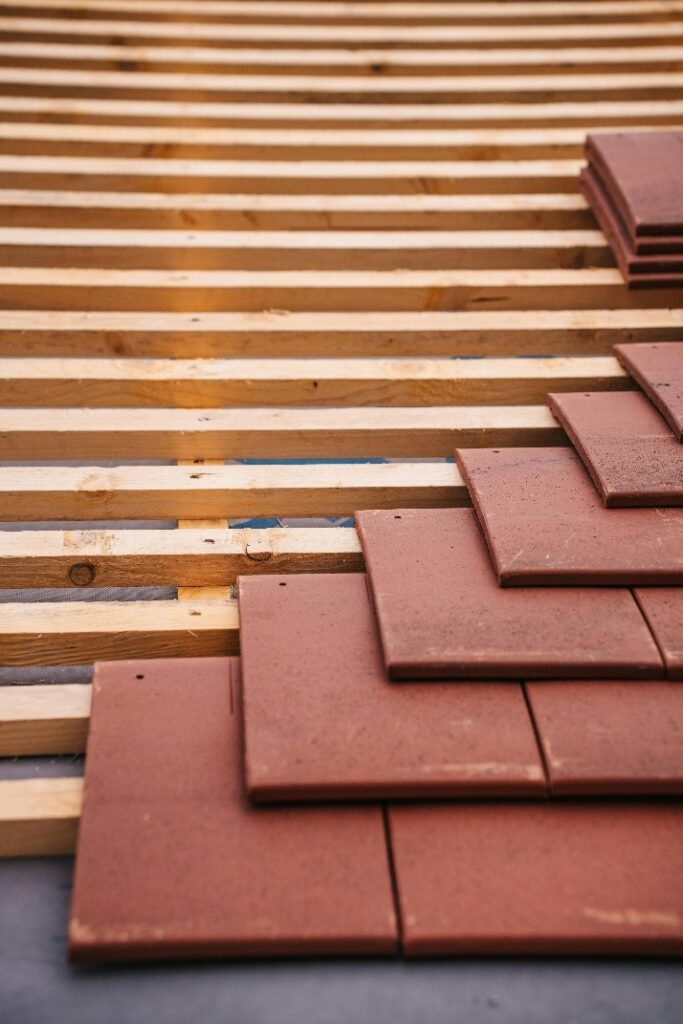
Roof decking is the solid base attached to the roof framing beneath the visible roofing material. It supports shingles, metal panels, underlayment, flashing, and fasteners, so damaged decking can weaken the entire roof system.
Decking is commonly made from plywood or oriented strand board. When it stays dry and properly supported, it provides a stable foundation. When moisture enters, decking may soften, swell, rot, or lose fastening strength.
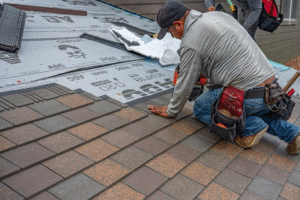
Warning signs can include uneven rooflines, soft spots, recurring leaks, interior stains, or musty attic odors. A qualified roofing contractor in Atlanta can determine whether decking is sound or needs replacement during repair work.
What Does Roof Underlayment Do?
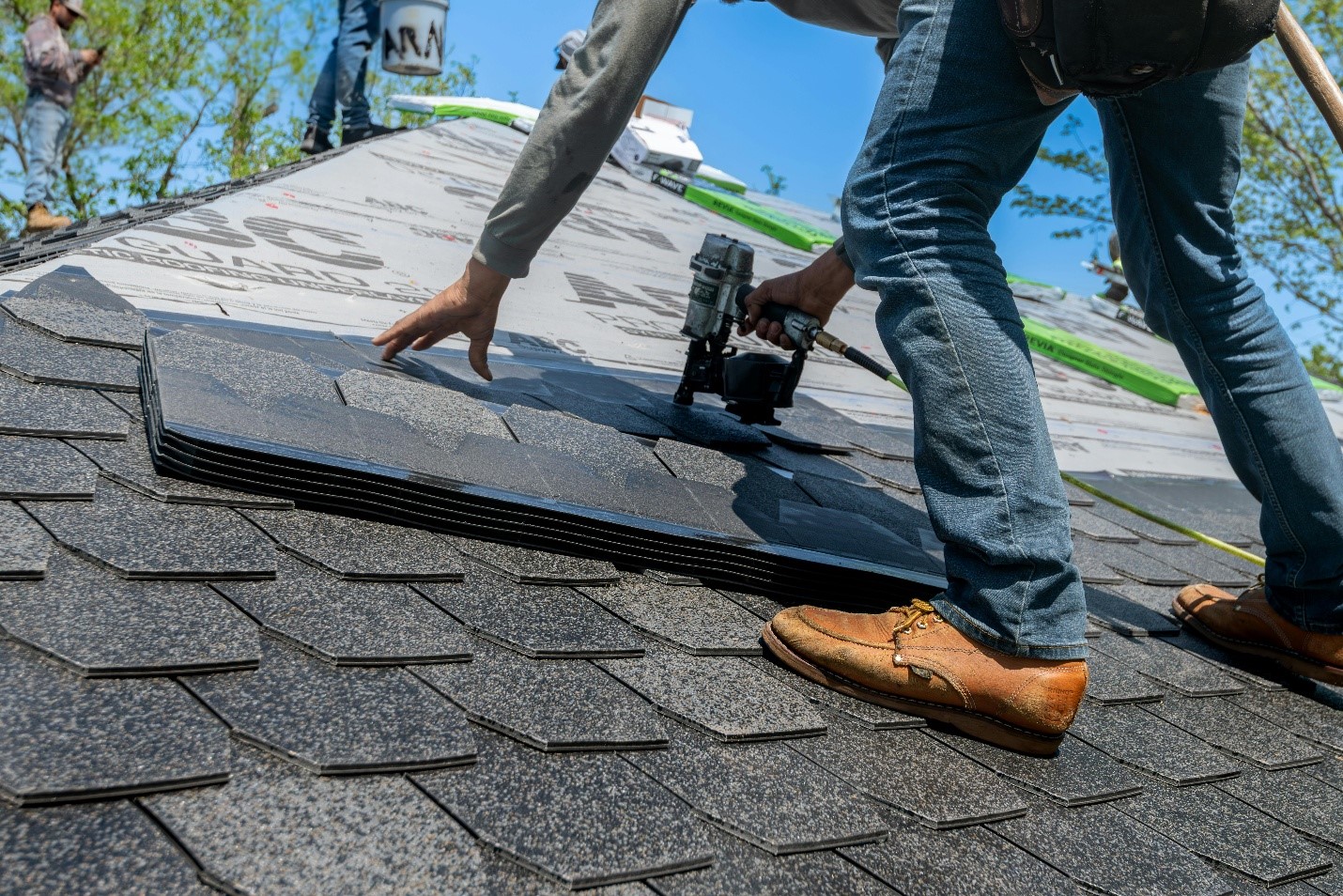
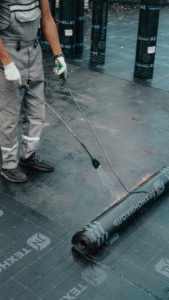
Roof underlayment is a protective barrier installed between the decking and exterior roofing material. It helps reduce water intrusion when wind-driven rain, damaged shingles, lifted seams, or storm debris expose vulnerable areas.
Underlayment is especially important in Georgia because storms and humidity can challenge roofing systems throughout the year. If underlayment becomes brittle, torn, poorly installed, or saturated, water may reach the decking before homeowners notice interior damage.
A thorough roof structural inspection in Georgia should evaluate whether underlayment failure contributed to leaks or moisture problems.
How Does Structural Roof Damage Develop Silently?
Structural damage often develops silently when small leaks, trapped humidity, poor ventilation, or neglected repairs repeatedly expose wood components to moisture. Over time, the roof may lose strength even if the outer surface still appears serviceable.
Water does not always drip straight down. It can travel along rafters, insulation, decking seams, and walls before appearing as a ceiling stain. By then, the original problem may be larger than expected.
This is why quick patches are not always enough. If a homeowner needs roof repair in Lithia Springs, the inspection should confirm whether the damage is only surface-level or connected to deeper structural concerns.
Why Should Inspections Happen Before Repairs or Replacement?
Inspections should happen first because roofing projects depend on the condition of the layers underneath. Installing new materials over damaged decking or failed underlayment can lead to leaks, uneven surfaces, warranty issues, and early roof failure.
A reliable roofing service in Lithia Springs should never recommend major work without reviewing the roof’s foundation. The contractor should check attic ventilation, decking condition, leak paths, flashing points, drainage, fastener security, and moisture indicators.
This step protects your investment. It also helps create an accurate estimate instead of unexpected costs appearing after work begins.
Does Metal Roofing Still Need Structural Review?
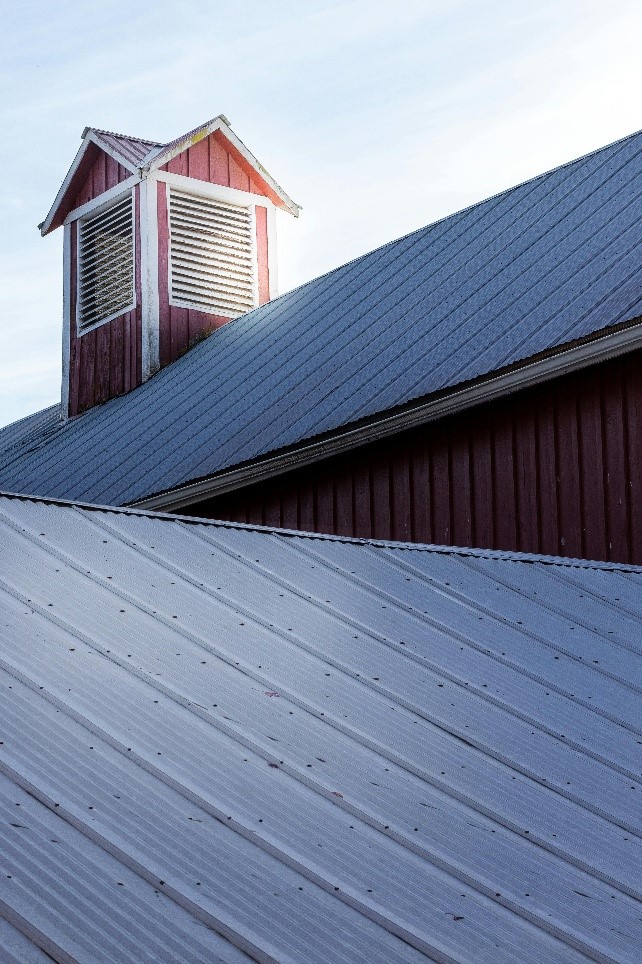
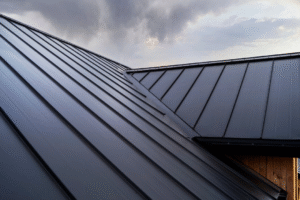
Yes, metal roofing still needs structural review because its long-term performance depends on the condition of decking, framing, fasteners, underlayment, flashing, and ventilation. Strong materials cannot compensate for a weak foundation underneath.
Metal systems can last for decades when installed correctly, but they still require proper support. If the decking is uneven or moisture-damaged, panels may not align correctly. If ventilation is poor, condensation can become a concern.
Before upgrading to metal, homeowners should request a detailed inspection to confirm that the roof structure is ready for the system.
What Should Homeowners Ask During an Inspection?
Homeowners should ask questions that reveal the condition of the roof beyond the visible surface. Clear answers help prevent costly surprises and make repair or replacement decisions easier.
- Is the roof decking solid, soft, rotted, or moisture-damaged?
- Is the underlayment intact, torn, brittle, or failing?
- Did any leaks cause hidden damage beneath the roofing materials?
- Can the current roof structure support the planned repair or replacement?
- How was the damage discovered during the inspection?
- Are inspection photos or videos available for review?
- Which repairs are urgent, and which issues can be monitored?
- Does attic ventilation need improvement?
A good inspection report should explain findings in plain language and connect visible roof problems to the condition beneath the surface.
Why Choose Absolute Roofing Services?
Absolute Roofing Services helps property owners protect their buildings with careful inspections, honest recommendations, and dependable workmanship. If you need a trusted roofing service in Lithia Springs, our team can evaluate visible and hidden roof conditions before repairs or replacement begin.
Services include residential roofing service in Atlanta, commercial roofing in College Park, metal roofing, and roof repair for properties facing leaks, storm wear, aging materials, or structural concerns.
Contact us today to schedule your estimate and protect your property with confidence and care.