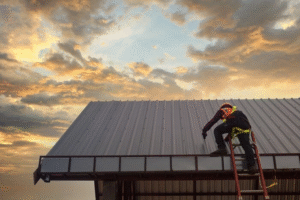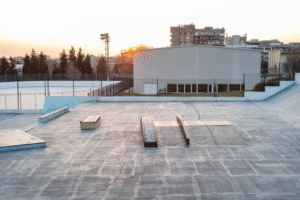
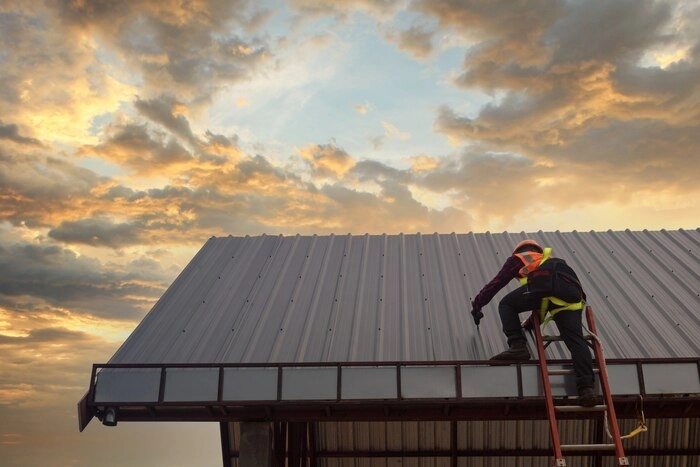
Most roofs do not move from normal service to major failure in a single day. Regular roof maintenance gives owners a chance to identify drainage problems, loose or damaged details, developing leaks, surface wear, and other changes while the response can still be planned rather than rushed.
A structured roof maintenance in Atlanta plan should fit the roof system, the building, its warranty requirements, and the way the roof is used. Absolute Roofing Services describes commercial roof maintenance as proactive care focused on inspections, drainage, flashing, sealants, debris, and early repairs.
How often should you schedule a roof inspection in Atlanta?
Twice-yearly professional inspections are a practical starting point for many commercial roofs, with extra checks after severe weather or another event that may cause damage. The exact schedule should also follow the roof system, manufacturer or warranty requirements, building use, previous repairs, rooftop traffic, and any known drainage or moisture concerns.
The National Roofing Contractors Association has long recommended inspecting roofs at least twice yearly in its roof inspection guidance. A spring and fall rhythm can help owners compare conditions across seasonal changes, but the calendar is only part of the plan. A roof with heavy equipment traffic or recurring drainage issues may need more frequent attention.
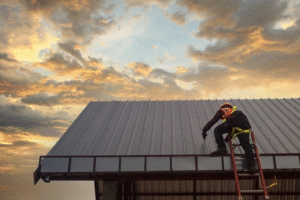
A professional roof inspection in Atlanta should focus on changes since the last visit. Inspectors can review seams, flashings, penetrations, edges, drains, gutters, visible membrane or panel damage, sealants, rooftop equipment areas, and signs of water movement. Photos and written notes make it easier to see whether a defect is stable, new, or getting worse.
What roof maintenance tasks matter most?
The highest-value maintenance tasks are the ones that keep water moving, protect vulnerable transitions, and identify damage early. Clear drains and gutters, remove debris, inspect seams and flashings, check penetrations and edges, control rooftop traffic, review sealants, document changes, and repair small defects before moisture can spread into insulation or decking.
Drainage comes first because standing water can expose low areas and roof details to prolonged moisture. Leaves, packaging, vegetation, loose materials, and sediment can block drains or gutters, especially around screens and strainers. Clearing those areas should be part of a routine visit, along with checking whether water is actually reaching the designed outlets.
GAF identifies maintenance, drainage, climate, installation, and moisture as factors that influence commercial roof life in its commercial roof lifespan overview. That is why maintenance should look beyond the open field of the roof. Flashings at walls, curbs, pipes, vents, drains, edges, and equipment often have more movement and more transitions than the broad membrane surface.
- Keep drains, gutters, scuppers, and strainers clear
- Check seams, flashings, edges, and penetrations for visible changes
- Use designated walkways where repeated rooftop traffic is expected
- Record photographs and repair notes so conditions can be compared over time
How should you maintain a commercial roof in Georgia’s climate?
Georgia maintenance should account for heat, heavy rain, thunderstorms, hail, wind, humidity, and changing seasonal conditions without assuming every roof reacts the same way. The practical response is to inspect vulnerable details, keep drainage working, document storm-related changes, address punctures or open seams promptly, and adjust the schedule to the specific roof material and building.
Heat can increase movement in roofing materials and can raise surface temperatures around exposed membranes, metal panels, flashings, and rooftop equipment. Maintenance should watch for changes at seams, terminations, sealants, fasteners where applicable, and transitions between materials. Reflective surfaces also need appropriate cleaning if dirt accumulation is reducing the intended reflectance.
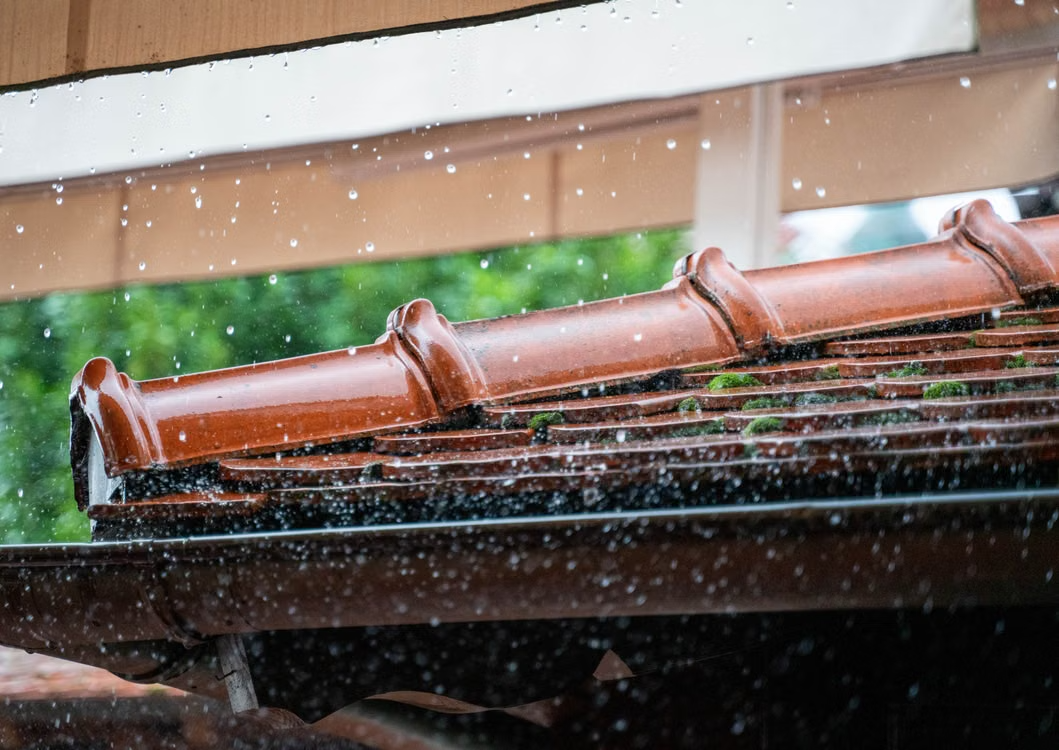
Rain shifts attention to drainage and water entry. Ponding, clogged outlets, deteriorated flashings, open laps, punctures, and poorly sealed penetrations can all create paths for moisture. A visible interior stain may appear far from the actual entry point, so maintenance should trace the roof assembly rather than treating the ceiling mark as the source.
How can you prepare a roof for storm season in Atlanta?
Storm preparation is mainly about removing preventable vulnerabilities before severe weather arrives. Clear drainage, secure loose rooftop items, review known repair areas, confirm that flashings and edges are in serviceable condition, protect sensitive building operations, keep current roof records, and establish who will inspect the property once conditions are safe after a storm.
The National Weather Service says severe weather is common across North and Central Georgia, including damaging thunderstorm winds and large hail. Its regional storm climatology also shows that severe events can occur outside a single short season. Property owners should therefore treat storm readiness as an ongoing maintenance task rather than a one-time spring checklist.
Before storms, remove loose debris and confirm that drains, gutters, scuppers, and overflow paths are open. Rooftop equipment, access panels, temporary materials, signage, and other items should be secured by qualified personnel where needed. Known membrane punctures, open seams, loose flashings, or damaged metal details should not be left for the next major rain if repair can be planned earlier.
After severe weather, start from safe areas. Check the interior for new water staining, ceiling damage, or active leakage, and look from the ground for displaced materials or obvious impact. Roof access and repair work can involve fall hazards, so property staff should avoid improvised rooftop work when the surface, edges, or damage create unsafe conditions.
When does a small maintenance issue need professional repair?
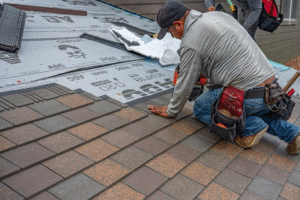
A maintenance item should move into repair when it is allowing water entry, growing between inspections, affecting seams or flashings, exposing insulation or decking, recurring after prior work, or spreading beyond a small isolated area. The sooner the cause is identified, the easier it is to compare a targeted repair with a larger corrective project.
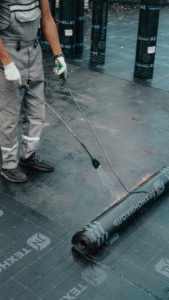
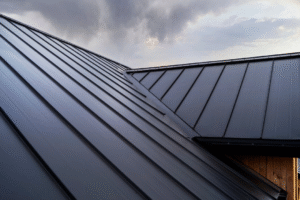
Examples include membrane punctures, separated laps, failing flashing details, damaged edge metal, open panel seams, recurring fastener issues, deteriorated sealants, wet insulation, persistent ponding, and repeated leaks around the same rooftop feature. Not every condition requires major work, but repeated symptoms are a reason to investigate the underlying cause rather than applying another surface patch.
How can a consistent maintenance plan protect the roofing investment?
Consistency gives owners better information and more control over timing. Regular inspections, documented conditions, prompt repairs, clear drainage, and planned service visits can reveal patterns before they become emergencies, support more predictable budgeting, and help owners decide when continued maintenance remains worthwhile and when a larger roofing project should be considered.
At Absolute Roofing Services, we are a family-owned and operated commercial roofing contractor serving Metro Atlanta. Our service pages include maintenance, inspections, replacement, and commercial roof repair, allowing property owners to move from routine care into corrective work when an inspection identifies a problem.
If a maintenance visit uncovers a developing leak, timely roof leak repair in Atlanta can help address the source before repeated moisture exposure increases the scope of work. The repair should still be evaluated in the context of the whole roof rather than treated as an isolated patch by default.
Owners who want a consistent plan with a professional roofing contractor in Atlanta can contact Absolute Roofing Services to discuss maintenance priorities for their property.