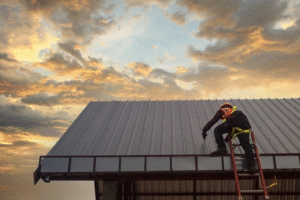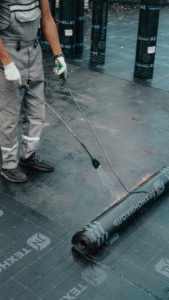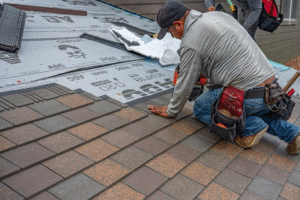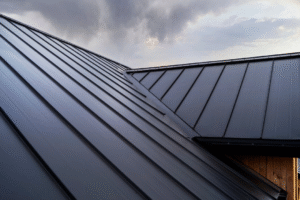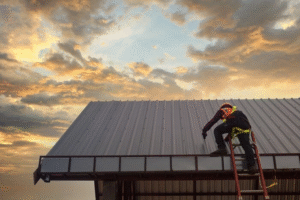
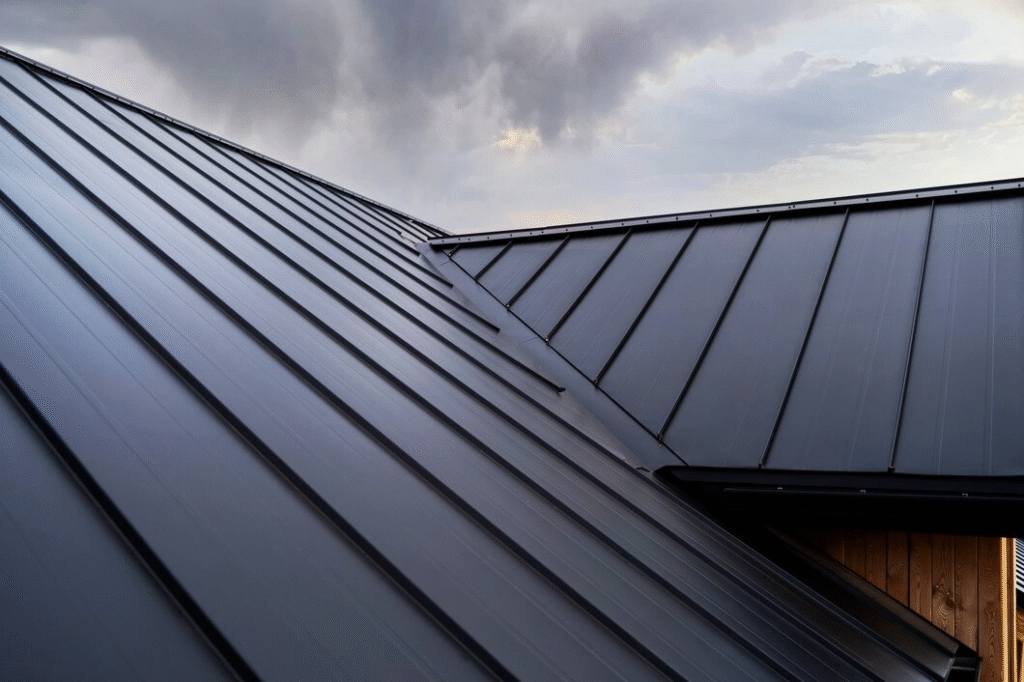
Property owners often consider metal roofing because it combines a durable roof surface with options for standing-seam construction, coated finishes, retrofit work, and long service potential. The strongest decision still starts with the building because roof geometry, structure, exposure, budget, and future maintenance determine whether metal is a good fit.
For owners researching metal roofing in Atlanta, Absolute Roofing Services currently lists commercial metal roofing among its metal roof services. A useful evaluation should compare the system with other roof choices on installation requirements, lifecycle cost, reflectivity, repairability, appearance, and the conditions that could shorten its service.
What are the main benefits of metal roofing?
Metal roofing can offer long service potential, strong panel systems, resistance to many forms of weathering, low routine material wear, and reflective finish options. It can also support retrofit strategies on some buildings. These benefits depend on the selected metal, coating, panel design, attachment, flashing, substrate, drainage, environment, and quality of installation.
Standing-seam systems use raised seams and concealed clips or fasteners in many designs, allowing panels to accommodate movement while reducing exposed penetrations through the panel field. Other metal roof profiles use different attachment methods, so owners should understand the specific panel system rather than assuming all metal roofs are built the same way.
Reflective finishes can reduce solar heat absorbed at the roof surface. The US Environmental Protection Agency explains in its cool roof guidance that high solar reflectance and thermal emittance can lower roof temperatures and reduce heat transferred to a building. The actual energy impact still depends on climate, insulation, building use, roof color, and the rest of the envelope.
How much does metal roofing installation cost in Atlanta?
Metal roofing cost varies widely with roof size, metal type, panel profile, gauge, finish, slope, access, tear-off, substrate repairs, insulation, flashings, penetrations, edge details, and labor. Residential market figures can offer a rough Atlanta reference, but commercial metal projects need a building-specific scope because size and structural requirements can be very different.
Current 2026 Atlanta metal roof cost data from Angi reports an average residential project of about $9,028, with many homeowner projects between $4,698 and $13,358. Those numbers are third-party residential estimates and are not a quote from Absolute Roofing Services or a dependable benchmark for a large commercial building.
Owners should compare proposals based on the same scope. Removal, underlayment or insulation, deck repairs, structural work, clips, fasteners, panel gauge, finish, flashings, snow or wind details where applicable, gutters, disposal, permits, and warranty requirements can all shift the total. A lower number is not automatically a lower lifecycle cost if important work has been excluded.
How long can a metal roof last?
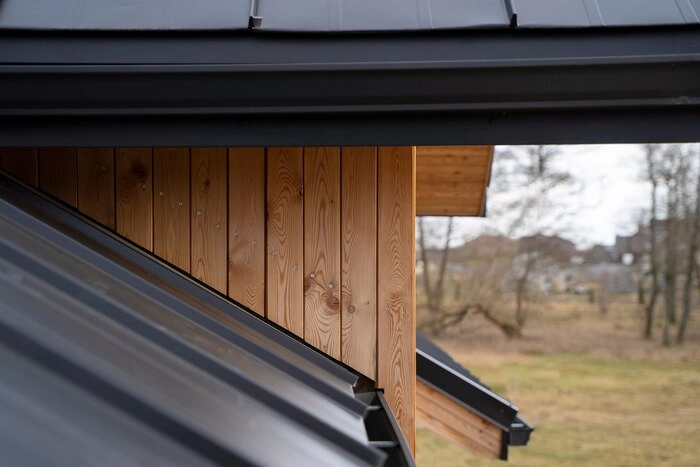
A properly designed and maintained metal roof can serve for decades, but life expectancy depends on metal type, coating, panel profile, climate, corrosion exposure, sealants, fasteners, detailing, installation, and maintenance. Research on specific standing-seam systems supports very long service, but those results should not be applied as a blanket guarantee to every metal roof.
The Metal Construction Association published a service-life assessment of low-slope standing-seam steel roofs based on field inspections and laboratory analysis of unpainted 55% aluminum-zinc alloy-coated systems. The association concluded that a like-in-kind roof installed today using best practices could be expected to last more than 60 years in similar environments.
That research is valuable, but it is specific. It does not mean every exposed-fastener panel, painted steel roof, aluminum roof, copper roof, retrofit, or residential metal system carries the same service life. Sealant life, corrosion conditions, cut edges, fastener performance, panel movement, foot traffic, and repairs can become limiting factors on a particular building.
This is why lifecycle planning should include inspections and maintenance rather than relying on a material label. A metal roof that is checked periodically for damaged finishes, open details, deteriorated sealants, drainage problems, loose components, or corrosion can be managed more deliberately than a roof that is ignored until water enters the building.
Where does metal roofing make the most sense?
Metal roofing makes sense where the building structure, roof slope, design, exposure, appearance goals, maintenance plan, and budget support the chosen panel system. It can work on commercial and residential properties, new construction, replacement projects, and some retrofit applications, but the project should be engineered around the actual roof rather than selected only for longevity.
Commercial buildings may use standing-seam panels on warehouses, offices, retail buildings, institutional facilities, or other structures with suitable slopes and framing. Residential properties may use standing seam, metal shingles, or other approved systems. The visual result, attachment method, underlayment, ventilation where applicable, and edge detailing can differ across those applications.
A metal roofing service in Atlanta should therefore start by confirming whether the building can support the proposed system and how the details will be handled. The roof should be assessed as an assembly that includes the deck or framing, insulation, underlayment where used, panels, fasteners or clips, flashings, drainage, and penetrations.
What maintenance does metal roofing require?
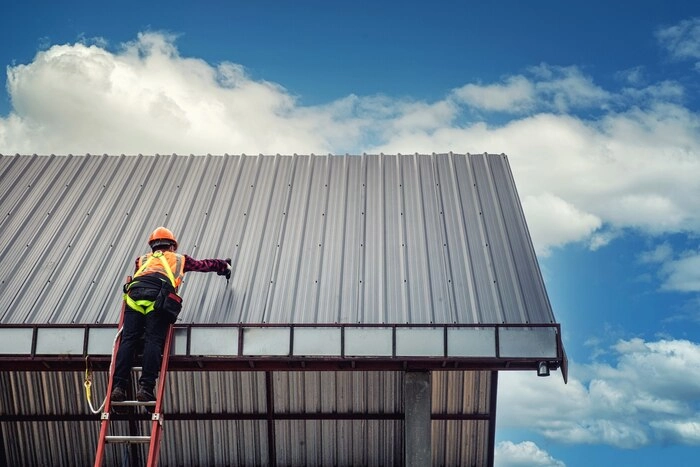
Metal roofs generally need periodic inspection rather than frequent surface treatment. Maintenance should check seams, flashings, panel edges, exposed fasteners where present, concealed-clip areas where accessible, sealants, coatings, gutters, drains, penetrations, rooftop equipment zones, debris, scratches, corrosion, and any signs that panels or trim have shifted after weather events.
Different systems need different checks. An exposed-fastener roof puts more attention on fastener condition and sealing washers, while standing seam focuses on seams, clips, terminations, flashings, and movement details. Coated panels should be reviewed for scratches, chalking, corrosion at damaged areas, or incompatible materials that could create galvanic reactions.
Drainage matters on metal just as it does on membrane roofs. Gutters, valleys, scuppers, and downspouts should remain clear, and water should not be trapped against edges, curbs, or walls. Debris can hold moisture on the surface, while nearby metals, chemical exhaust, or runoff from other materials may create localized corrosion concerns.
How should a property owner evaluate a metal roofing project?
Evaluate metal roofing by matching the proposed system to the building, then compare scope, material, panel profile, coatings, attachment, structural requirements, insulation, flashings, drainage, access, maintenance, project disruption, and long-term service expectations. A clear specification makes it easier to compare proposals and understand where the project cost is being spent.
At Absolute Roofing Services, we are a family-owned and operated commercial roofing contractor serving Metro Atlanta. Owners considering metal as part of a larger replacement can also review our new roof installation service to see how assessment, preparation, installation, and final checks fit into a roofing project.
The strongest roof installation in Atlanta plan is one that explains the full roof assembly and not only the visible panels. Deck condition, insulation, underlayment, clips or fasteners, movement, edges, penetrations, drainage, and future service access should all be addressed before materials arrive.
If you want to compare a metal system with other options from a roofing contractor in Atlanta, contact Absolute Roofing Services to discuss the building, roof condition, and project goals.