Effective roof leak prevention and repair starts before water reaches the ceiling. Regular inspection, proper drainage, prompt attention to defects, and a clear response plan can help prevent a small issue from turning into widespread moisture damage. However, even a well-maintained roof can still be affected by storms, aging, traffic, or unexpected failures.
For property owners dealing with roof leak repair in Atlanta, the first goal is to protect people and belongings, then identify the actual route of water entry. Because water can travel along decks, insulation, structural members, and penetrations before it becomes visible, the ceiling stain is not always directly below the roof defect. Absolute Roofing Services describes commercial leak and repair support on its roof repairs page.
Where do roof leaks commonly begin?
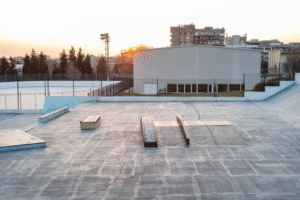
Roof leaks often begin at details where materials change, move, terminate, or are penetrated. Seams, flashings, roof edges, drains, scuppers, curbs, vents, pipes, rooftop equipment, fasteners, membrane punctures, deteriorated sealants, and damaged panels can all create entry points. Ponding or blocked drainage can increase exposure and make existing defects more likely to show themselves.
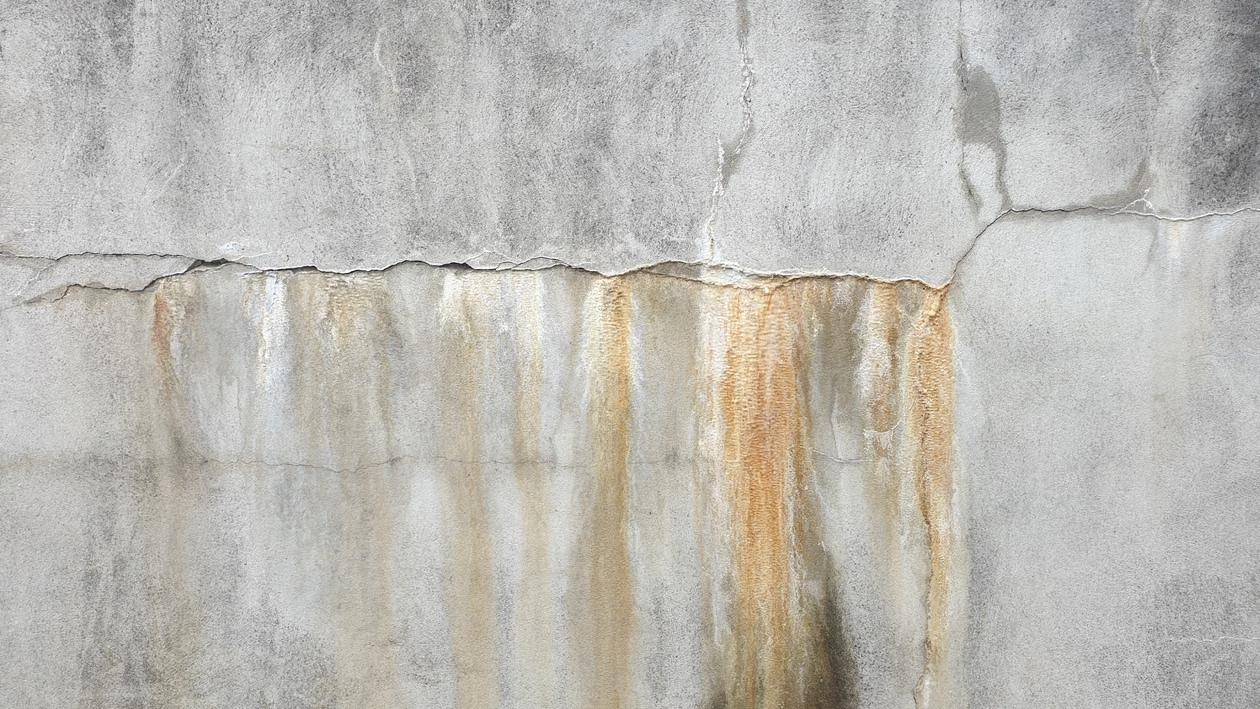
The visible symptom may appear far from the source. Water can follow insulation joints, deck flutes, framing, conduit, or other pathways before dripping into occupied space. That is why repeatedly sealing the area above an interior stain can fail. A useful inspection follows the moisture path, reviews surrounding details, and checks whether the issue is isolated or part of broader roof deterioration.
Recurring leaks deserve special attention because they can indicate that the earlier repair addressed a symptom but not the source, or that more than one defect is present. Owners should keep records of leak locations, weather conditions, previous repairs, and photos. Those records help a roofing professional compare patterns and avoid starting each service call without history.
What should you do when you first notice a roof leak?
The immediate priority is to protect people, equipment, inventory, and finishes without creating a second hazard. Move movable items away from the affected area when it is safe, contain dripping water where practical, mark wet or slippery areas, document the condition, and contact a roofing professional. Avoid climbing onto a wet, storm-damaged, or unfamiliar roof.
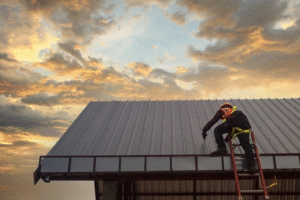
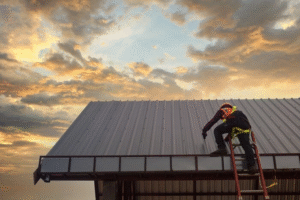
Roof access carries real fall risk. OSHA roofing fall-protection guidance is written for employers and construction work, but it illustrates why roofing activity requires planned fall protection rather than improvised access. Property owners and staff should not treat an active leak as a reason to walk onto a wet roof without training, equipment, and a safe access plan.
Inside the building, note the time, weather, affected room, ceiling or wall location, and whether the leak is continuous or intermittent. Photos can be useful before cleanup begins. If water is near electrical equipment, ceiling systems appear unstable, or conditions create another immediate hazard, keep people away and involve the appropriate qualified professionals in addition to the roofer.
How can a leaking roof be repaired before the problem worsens?
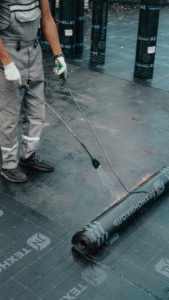
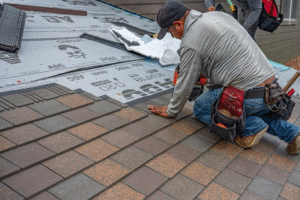
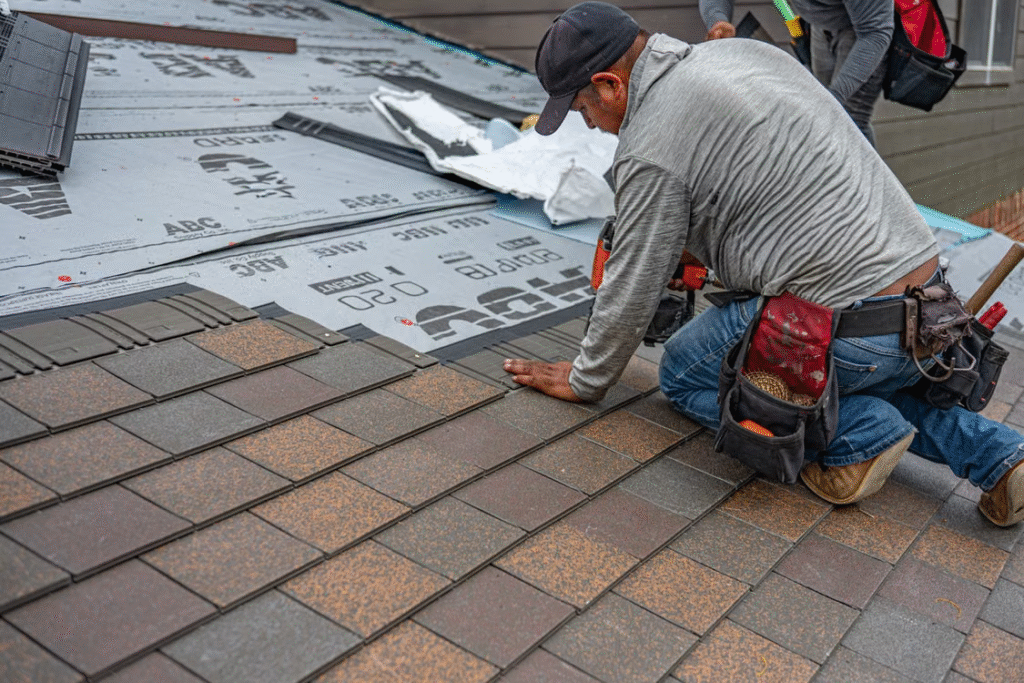
A lasting repair should address the defect, the surrounding roof condition, and any materials already affected by moisture. The correct method depends on the roof system and the cause. A membrane puncture, open seam, flashing failure, deteriorated sealant, damaged panel detail, or drain problem may each require a different repair sequence and compatible materials.
A professional roof inspection in Atlanta should look beyond the obvious opening. The inspection can review nearby seams, flashings, penetrations, drainage, surface damage, repair history, and signs that moisture has traveled into insulation or other layers. If wet or deteriorated materials are found, simply covering the surface may trap a problem rather than resolve it.
Temporary measures may help control water until conditions are safe for permanent work, but they should be documented and followed by a proper repair. Owners should also ask what caused the defect and whether similar details exist elsewhere on the roof. Correcting one failed penetration is useful; identifying ten identical aging penetrations before they leak can be more valuable.
How can inspections and maintenance reduce future leak risk?
Inspections and maintenance reduce leak risk by finding defects while they are still small and by keeping drainage paths, seams, flashings, penetrations, and rooftop work areas in serviceable condition. They cannot prevent every storm or material failure, but they give owners more opportunities to repair deterioration before it becomes interior water intrusion.
The GAF commercial roof lifespan guidance identifies maintenance, drainage, installation quality, moisture, climate, UV exposure, and rooftop traffic among factors that affect commercial roof aging. That supports a practical maintenance approach focused on condition rather than waiting for a roof to reach an assumed age before giving it attention.
A useful maintenance record can include inspection dates, photos, repairs, recurring leak locations, drain cleaning, rooftop equipment work, storm events, and changes to the building. Contractors should know when other trades have added penetrations or moved equipment because new rooftop work can create details that were not part of the original roofing system.
How should a property be prepared for Atlanta storm season?
Storm preparation should focus on roof condition, drainage, known defects, loose materials, accessible interior warning signs, and a response plan. Before severe-weather periods, owners can arrange repairs for known issues, clear roof drainage through qualified maintenance, confirm emergency contacts, protect sensitive interior areas, and keep current roof records available if an inspection is needed afterward.
The National Weather Service Atlanta and Peachtree City severe-storm climatology states that damaging thunderstorm winds, large hail, and tornadoes occur in north and central Georgia each year. The page also notes that damaging winds and large hail are most frequent during spring and summer, although events can occur outside the peak months. That makes year-round readiness more useful than a single seasonal checklist.
After a significant storm, owners can check accessible interior spaces for new stains, drips, displaced ceiling materials, or unusual moisture and compare them with pre-storm records. Exterior roof assessment should be handled safely. A storm may produce no roofing damage at all, so the purpose of an inspection is to document actual condition rather than assume that every property needs repair.
When is professional leak assessment the sensible next step?
Professional assessment is sensible when a leak is active, recurring, difficult to trace, connected to storm damage, affecting multiple areas, or accompanied by visible roof deterioration. It is also useful when a property owner needs to distinguish between a localized repair, a broader restoration plan, and replacement so the next expense is tied to evidence rather than guesswork.
Absolute Roofing Services is a family-owned and operated commercial roofing contractor serving the Metro Atlanta area, with repair and maintenance services listed on its website. A consistent plan for roof maintenance in Atlanta can help owners keep drainage, seams, flashings, penetrations, and previous repairs visible before the next leak becomes the first sign of trouble.
If damage is already present, roof repair in Atlanta should begin with identifying the source and defining the affected area rather than applying a generic patch. Review the company roof maintenance service or contact us to arrange an assessment.