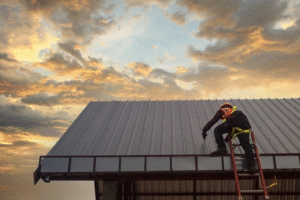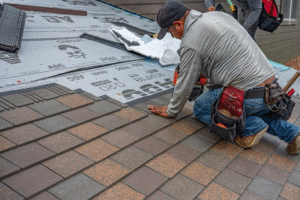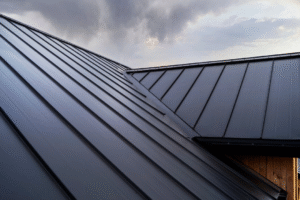
Choosing commercial roofing in College Park means matching the roofing system to the building. Roof slope, deck condition, drainage, rooftop equipment, budget, maintenance plans, and the existing assembly all affect which option may fit.
A TPO roofing contractor in College Park may recommend a single-ply system while another property may suit EPDM, built-up roofing, metal, or a coating. Absolute Roofing Services provides commercial roofing services across Metro Atlanta.
Which commercial roof systems are commonly considered for College Park buildings?
Common options include TPO and EPDM membranes, built-up roofing, modified bitumen, PVC, metal, and restoration coatings for suitable roofs. The right system depends on the building structure, drainage, exposure, traffic, and expected service needs.
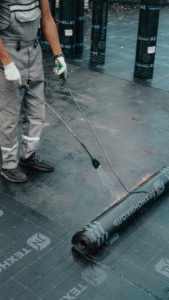
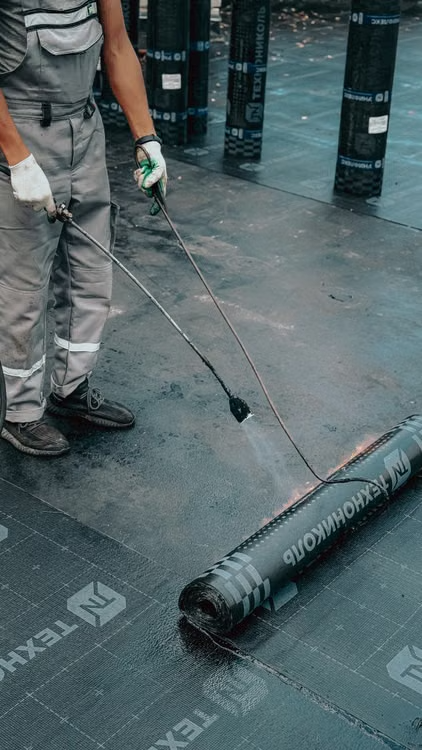
TPO uses a thermoplastic membrane with heat-welded seams, while EPDM roofing in College Park uses synthetic rubber. Built-up roofing uses multiple reinforced bitumen layers, changing installation and repair planning.
| System | Construction | Decision focus |
| TPO | Thermoplastic membrane | Reflectivity, welded seams |
| EPDM | Rubber membrane | Flexibility, detailing |
| Built-up | Multi-ply bitumen | Layers, weight, surface |
How do you decide between TPO and EPDM roofing?
TPO and EPDM can both serve low-slope commercial buildings, but their material properties and installation details differ. TPO is commonly selected when a reflective surface and heat-welded seams are priorities, while EPDM is a flexible rubber membrane with a long record of use on commercial roofs.
How durable is built-up roofing for a commercial property?
Built-up roofing can provide a robust multi-ply assembly because several layers work together rather than relying on a single membrane layer. Actual service life still depends on installation, drainage, surface protection, maintenance, repairs, weather exposure, and the condition of the underlying roof components.
How are silicone and aluminum roof coatings used to extend an existing roof service life?
Coatings can be useful when an existing roof is a suitable restoration candidate, but they are not a substitute for repairing wet, damaged, or unsound components. Proper preparation generally includes inspection, cleaning, repairs, and confirming that the coating is compatible with the existing roof substrate.
Mule-Hide lists its 100% silicone coating for several suitable roof substrates. Silicone roof coating guidance shows why compatibility, roof condition, and preparation must be checked before application.
How should a business choose a commercial roofing contractor in College Park?
A business should compare written scopes, insurance, references, proposed materials, responsibilities, warranty terms, and communication. The contractor should explain why a particular system fits the building and what maintenance it will need after installation.
Georgia Consumer Protection advises checking references, insurance, licensing requirements, written contracts, and payment terms. It notes that roofers are a specialty occupation that does not require a Georgia state contractor license. Georgia contractor guidance can help owners prepare questions.
What should happen before a final roofing decision is made?
Before selecting a system, the existing roof should be assessed and the owner should receive a clear scope explaining material choice, preparation, installation details, and expected maintenance. Comparing lifecycle needs is more useful than choosing only by initial price.
For built-up roofing in College Park, the evaluation should address structure, drainage, surface protection, and repair access. Absolute Roofing Services can review alternatives through its commercial roofing service.
A commercial roofing contractor in College Park should explain how the recommendation fits the property. Contact Absolute Roofing Services to discuss the building and available commercial roofing options.