Most homeowners do not think about their roof until something goes wrong. A stain appears on a ceiling, a shingle turns up in the yard after a storm, or a gutter pulls away from the fascia and takes a section of flashing with it. By that point, the roof has already been communicating its condition for some time, and the decision-making window for the most cost-effective response has often passed.
For homeowners across Atlanta, Marietta, Duluth, Lawrenceville, Lithia Springs, and College Park, understanding what to expect from a roof at each stage of its life is one of the more practical things a property owner can know. The right roof inspection at the right point in a roof’s timeline changes what options are available and what those options cost. This guide breaks down the full lifespan of the most common residential roofing materials, year by year, so that decisions get made with the right information rather than in response to the wrong crisis.
Years 0 to 5: The Installation Window
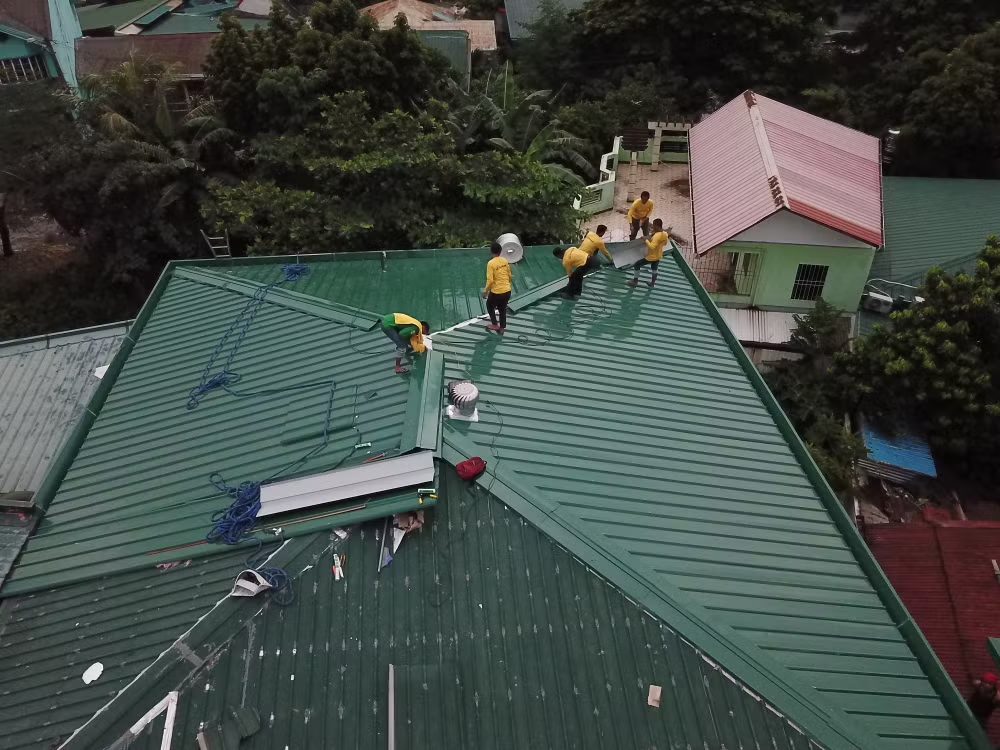
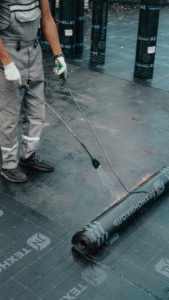
A new roof installation that was done correctly and with quality materials should require very little attention in the first five years. This is the period when the roofing system settles, when materials begin to weather and develop their protective surface characteristics, and when any workmanship deficiencies become detectable.
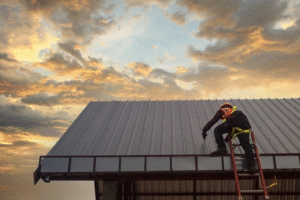
Installation quality is one of the most significant determinants of how long a roof actually lasts relative to its rated lifespan, which is why verifying that a new roof was installed correctly is worth doing in the first year rather than assuming it was. This is precisely why a professional inspection within the first year of a new installation is worth scheduling, not because problems are expected but because catching a flashing detail that was missed, a ventilation component that was incorrectly installed, or an unsealed penetration in this early window costs a fraction of what correcting the water damage it eventually causes will cost.
Gutters, downspouts, and drainage paths are worth reviewing during this period. A roofing service that includes a first-year inspection will also verify that the surrounding drainage infrastructure is directing water away from the foundation correctly.
Years 5 to 15: The Stable Period
This is typically the most uneventful phase of a roof’s service life, which is why it is also the period during which most maintenance gets skipped. The roof looks fine, it performs without obvious issues, and it does not generate the kind of visible symptom that prompts a call to a roofing contractor in Atlanta.
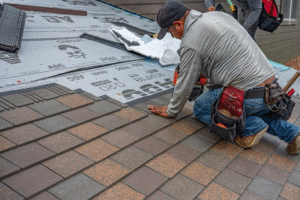
The mistake here is treating the stable period as a maintenance-free one. Proper maintenance including regular inspections, cleaning gutters, trimming overhanging tree branches, and making small repairs immediately can extend a roof’s lifespan significantly. Flashing seals around chimneys, vents, and skylights begin to experience their first significant weathering during this window. Minor cracking, seasonal expansion and contraction, and granule loss on asphalt shingles all begin here, and none of them are visible from the ground.
A biannual roof inspection service during the stable period catches the small flashing repairs and sealant work that prevent the much larger issues those failures produce when left unaddressed through the next phase.
Years 15 to 20: The Reassessment Window
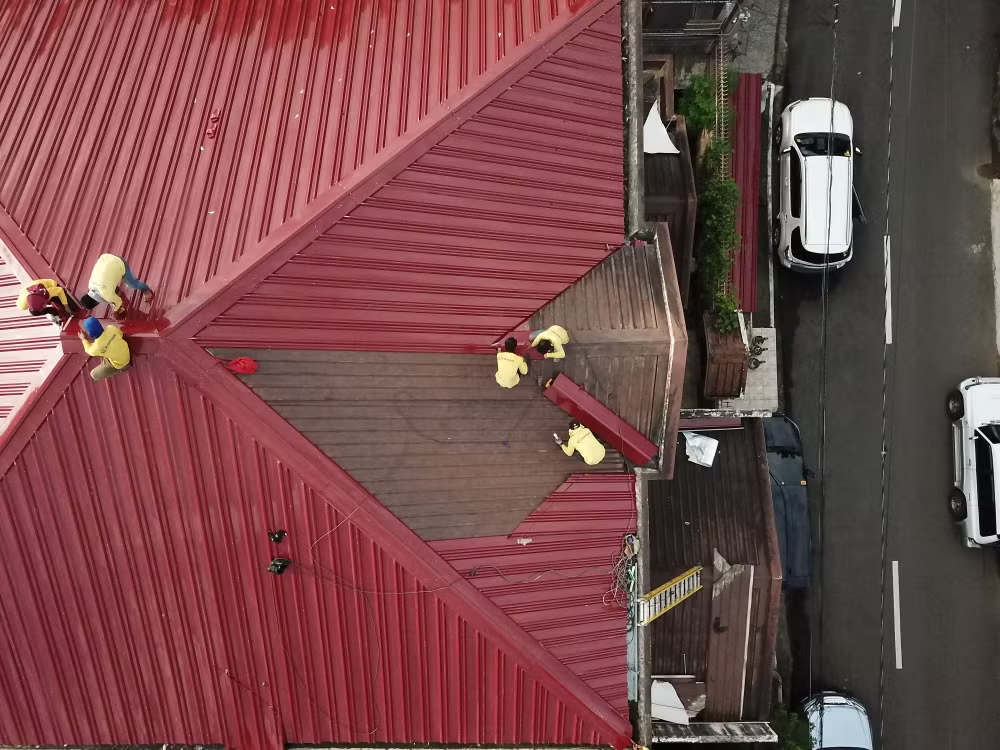
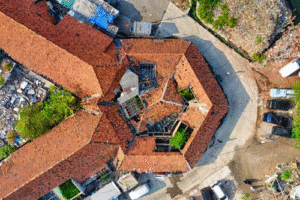
Years 15 to 20 represent the lifecycle reassessment window for asphalt shingle roofs, the period during which annual inspections are recommended and repeated repairs often signal structural aging. At this point, the accumulated effects of UV exposure, thermal cycling, and seasonal weather stress begin to show clearly in the material.
For Atlanta-area homeowners, this period is particularly significant because Georgia’s climate places above-average thermal stress on roofing materials. In the South, high UV exposure, heat, and humidity can accelerate the drying and aging of shingles, with coastal and southeastern climates exposing roofs to conditions that push lifespan closer to the lower end of the material’s rated range.
Roof maintenance during this period typically involves more than cleaning and inspection. Sealants need replacing. Flashing details that were adequate at year five may now be failing. Granule loss on asphalt shingles reaches a level where the waterproofing integrity of the material itself begins to diminish. An assessment from a professional roofing contractor in Atlanta during this window gives homeowners a clear picture of whether the roof has another decade of life with targeted maintenance, or whether it is time to begin planning for a roof replacement.
Years 20 and Beyond: Planning for Replacement
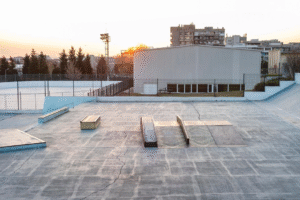
EPDM rubber roofs often last between 25 and 30 years, while TPO and PVC systems typically last between 20 and 30 years, with drainage, installation quality, and routine inspections being critical factors in reaching the upper end of these ranges.
For residential asphalt shingle roofs, the 20-year mark is the point at which replacement planning should begin regardless of how the roof looks from the street. An average roof lasts 25 to 50 years depending on the material, but climate significantly impacts roof lifespan, with heat accelerating UV damage to asphalt shingles.
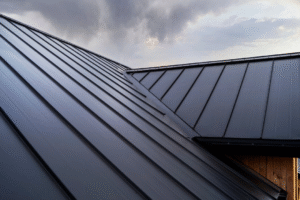
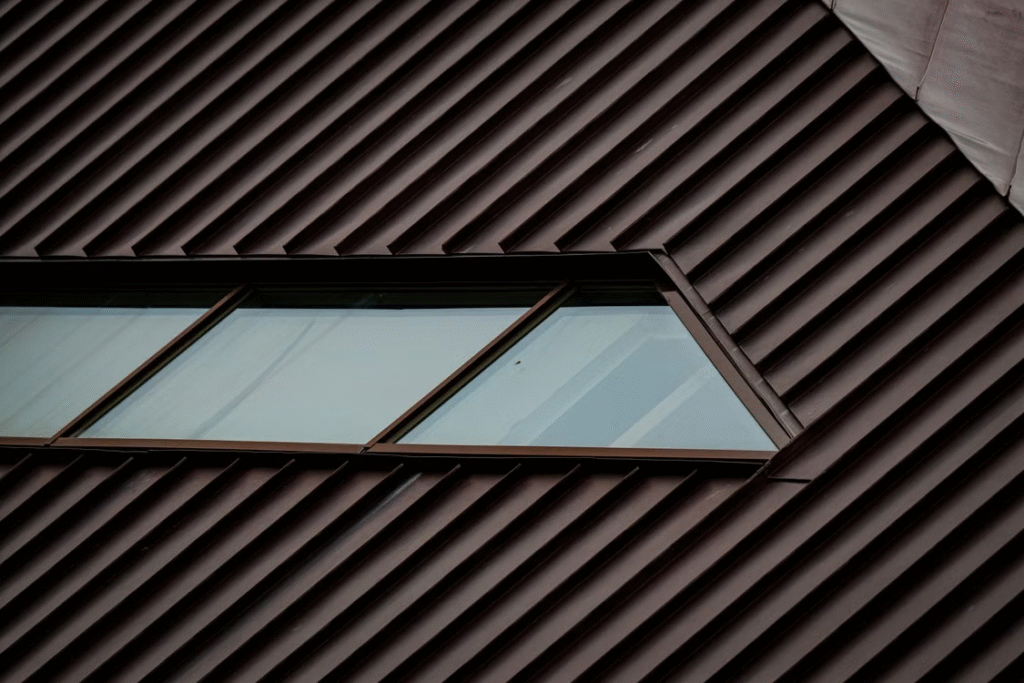
Metal roofing is the most durable alternative at this decision point. Metal roofing can last up to 100 years when properly cared for, with high-end metal roofing durable enough to last more than half a century. For homeowners who want to replace once and not revisit the decision for decades, a metal roofing service is the specification that most consistently delivers that outcome in Georgia’s climate.
What the Timeline Means for Repair vs. Replacement Decisions
Understanding the lifespan timeline reframes how repair and replacement decisions get evaluated. A roof leak repair on a ten-year-old roof in otherwise sound condition is a straightforward decision. The same repair on a nineteen-year-old roof that has already had two significant repairs is a different conversation, because the underlying question is whether the repair extends a functional roof or delays an inevitable replacement by a year or two at significant cost.
A roof inspection conducted by an Atlanta roofing company that understands this timeline gives homeowners the information to make that distinction correctly. The inspection identifies not just the current issue but the condition of the surrounding system, how much of the roof is performing as expected, and what the realistic remaining service life is for the material as installed.
Know Where Your Roof Stands With Absolute Roofing Services
Whether your roof is newly installed, approaching its reassessment window, or well past it, the right decision starts with an accurate picture of where it actually is in its lifespan. Contact Absolute Roofing Services for roof inspection in Atlanta, roof maintenance, and roof replacement across Atlanta, Marietta, Duluth, Lawrenceville, Lithia Springs, and College Park.