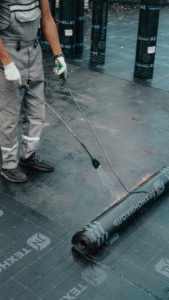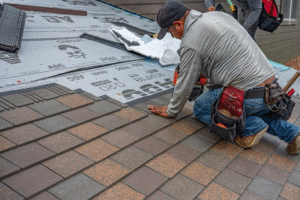
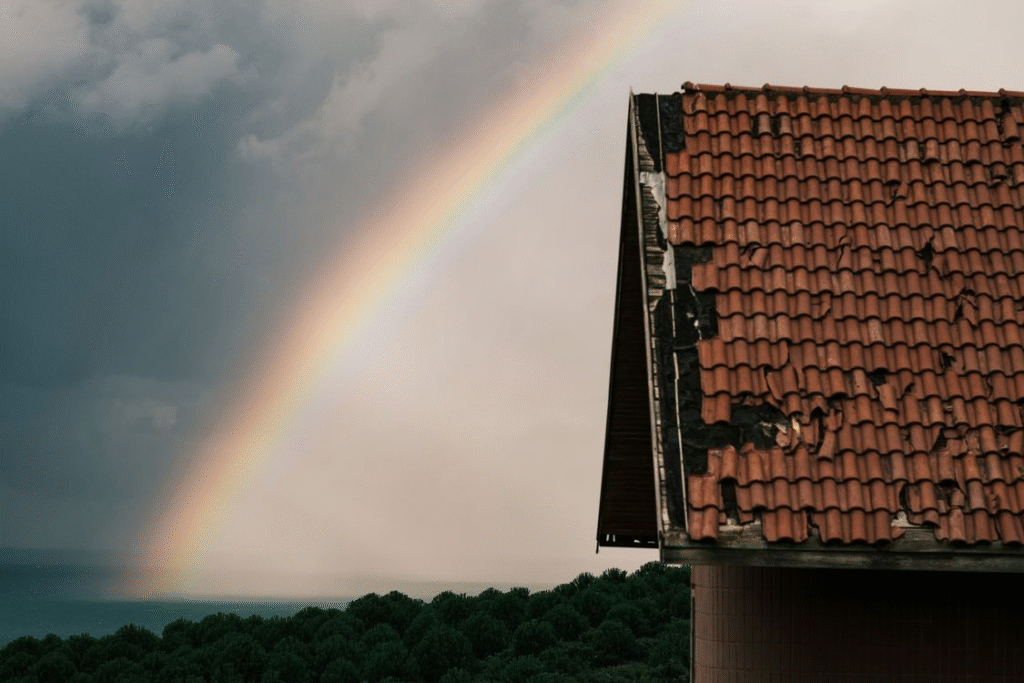
Georgia’s storm environment is genuinely demanding. The state experiences severe thunderstorms, high winds, hail events, and periodic hurricane remnants that collectively make roof damage one of the most frequently filed homeowner’s insurance claims in the region. What most property owners across Atlanta, Marietta, Duluth, Lawrenceville, Lithia Springs, and College Park discover only after filing a claim is that the coverage they assumed they had is more conditional and more limited than their policy suggested when they signed it.
What Georgia Homeowners Insurance Actually Covers
For an insurance company to pay for a roof replacement in Georgia, the damage must typically be sudden and accidental. This usually includes perils like wind, hail, fire, or falling trees. These are the covered events, and when damage clearly and demonstrably originates from one of them, a well-documented claim has a reasonable basis for approval.
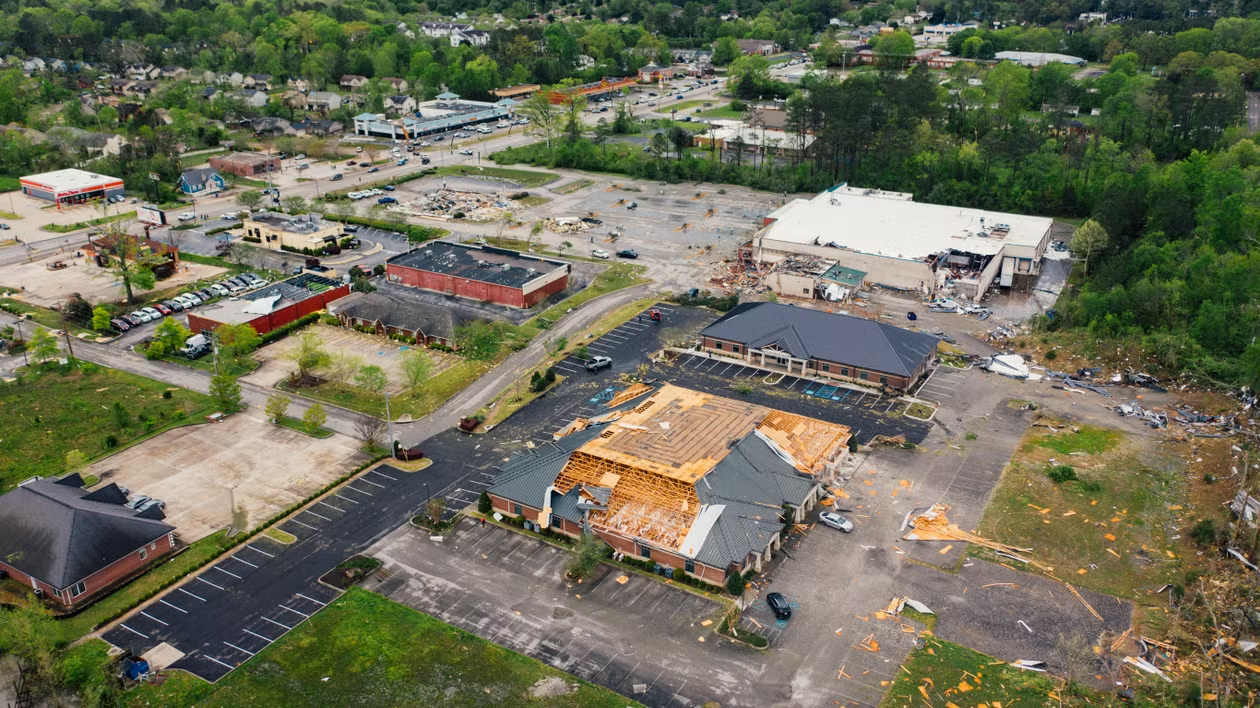
In Georgia, wind and hail are the most common causes of roof insurance claims, especially during the state’s intense spring and summer storm seasons. If a storm blows through and tears off shingles, punctures the underlayment, or damages flashing and gutters, that typically qualifies as a covered event.
The practical challenge is that Georgia’s storms do not always produce damage that is neatly separable from the pre-existing condition of the roof beneath them. An older asphalt shingle roof that has been losing granules for two years and then sustains wind damage in a storm may have a legitimate storm damage claim and a pre-existing condition problem at the same time, and insurers are increasingly sophisticated about making that distinction.
What Gets Excluded and Why Claims Get Denied
Most policies do not cover damage resulting from neglect, wear and tear, aging, rust, or rot. Missing shingles, especially after storms, can signal to insurers that the roof has not been properly maintained, which may lead to claim denial.
Approximately 37% of property insurance claims nationwide are denied, and with residential roof-related claims surging to $31 billion in 2024, insurers are looking harder than ever for reasons to reject claims. The most common denial justifications applied to Georgia roof claims are pre-existing damage, wear and tear, and inadequate maintenance, each of which shifts responsibility from the insurer to the homeowner.
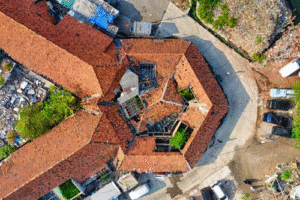
Carriers are getting much stricter with enforcing roof condition standards. Things like existing wind, hail, and storm damage can lead to policy cancellation, and carriers use satellite imagery, drive-by inspections, property records, and permit records to evaluate properties both before and after issuing a policy. This means insurers may already have aerial photographs of a roof’s condition before a storm event, which they will compare against post-storm images when evaluating a claim.
The Age Problem
Carriers may limit or deny coverage for roofs over 15 to 20 years old, making roof maintenance and documentation essential for homeowners. This requirement reflects insurers’ efforts to minimize claims from weather-related damage in a state prone to severe storms.
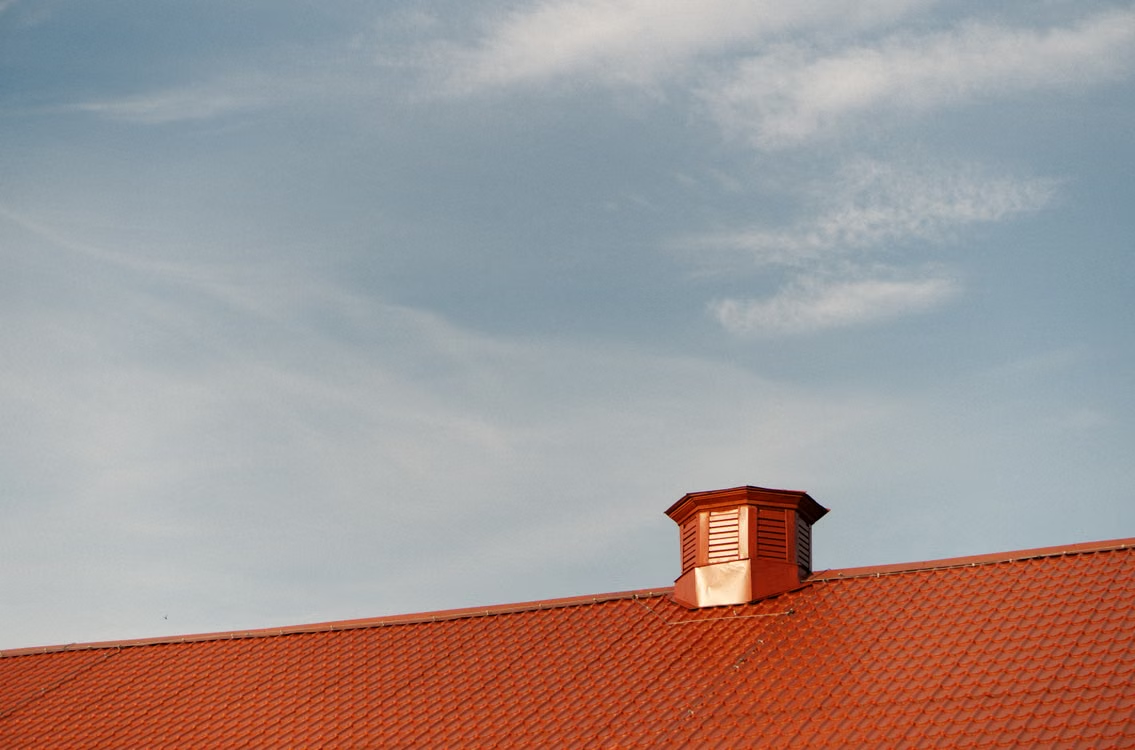
For a homeowner whose roof is approaching or past this threshold, the insurance picture changes significantly. If a roof is already 15 to 20 years old, a claim may face extra scrutiny, as insurers may argue that the roof’s age, not the storm, was the main reason for failure. This is not simply a denial of the claim. It can also result in the insurer paying actual cash value rather than replacement cost, meaning the payout reflects a depreciated value that may cover only a portion of the actual roof replacement cost.
The Deductible Reality
Most Georgia homeowners policies have a separate wind/hail deductible that is expressed as a percentage of your dwelling coverage, not a flat dollar amount. The standard options range from 1% to 5%. On a home insured at $400,000, a 2% wind and hail deductible means the homeowner absorbs the first $8,000 of any storm-related roof repair cost before insurance contributes a dollar. For many roof repairs, that deductible alone approaches or exceeds the total cost of the work.
Georgia law provides some consumer protections, requiring insurers to acknowledge claims within 15 days and decide coverage within 15 to 60 days depending on the claim type, with approved payouts issued within 10 days of that decision. Knowing these timelines matters when managing a claim, particularly when a damaged roof needs temporary protection before the claim process concludes.
What Documentation Actually Does for a Claim
The difference between a covered claim and a denied one is often not the damage itself but how well it is documented and when. Before and after any storm, taking detailed photos of the roof and any visible damage is essential. Having this documentation can support a claim and help avoid disputes with the insurer. Insufficient documentation, without clear evidence of storm damage such as photos or professional inspections, means claims may be challenged or denied.
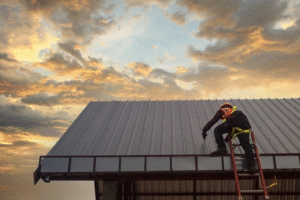
A roof inspection conducted by a professional roofing contractor in Atlanta before storm season provides a baseline condition record that is invaluable if damage occurs later. It demonstrates the roof’s pre-storm condition, documents any existing wear separately from new damage, and gives the insurer a clear picture that the damage they are being asked to pay for was not present before the event being claimed.
For homeowners who have not had a recent professional inspection, scheduling one as part of roof maintenance is one of the more practical insurance risk management steps available, particularly for roofs approaching the 15-year threshold where insurer scrutiny intensifies.
How Material Choice Affects the Insurance Picture Going Forward
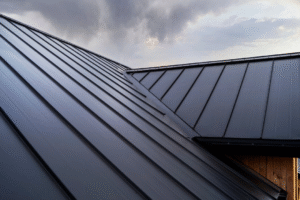
Insurance companies may offer lower premiums for homes with metal roofing due to its durability and longevity, and in Georgia, metal roofs may qualify for discounts of 5% to 35% due to their hail resistance.
For homeowners evaluating a roof replacement after a claim event, or simply planning ahead, metal roofing is increasingly relevant not only for its durability but for how it are treated by Georgia insurers. A metal roof that reduces storm damage risk also reduces premium cost and reduces the frequency of future claims, which affects renewal terms and long-term coverage eligibility.
Protect Your Claim Position with Absolute Roofing Services
The best position to be in during a Georgia roof insurance claim is one where damage is professionally documented and supported by a qualified Atlanta roofing company. Contact Absolute Roofing Services for roof inspection in Atlanta, roof maintenance, roof repair, roof replacement, and roofing service in Duluth, Lawrenceville, and Lithia Springs.