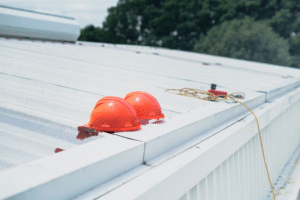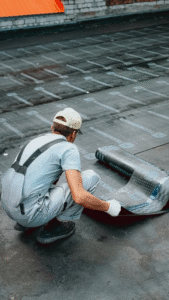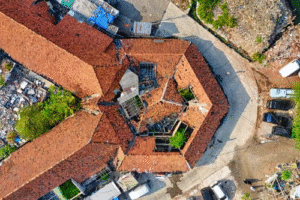
A practical plan for roof maintenance in Lawrenceville should be easy to follow regularly and be detailed enough to identify any significant changes early. Property owners benefit from tracking drainage, surfaces, seams, flashings, penetrations, previous repair areas, rooftop equipment zones, and interior signs of moisture over time.
Using a professional roofing service in Lawrenceville can also create a condition record that supports future repair and replacement decisions. Absolute Roofing Services provides commercial roof maintenance services throughout Metro Atlanta.
How often should a roof receive attention?
There is no single inspection interval that fits every commercial roof. The appropriate schedule depends on the roof system, age, warranty or manufacturer requirements, building use, maintenance history, surrounding conditions, and recent weather. Additional checks can be useful after significant storms or when the building develops new leak symptoms.
The National Weather Service reports that north and central Georgia experience damaging winds and large hail each year. Georgia severe-weather climatology supports adding regular inspections after significant weather events instead of relying only on a fixed calendar.
What maintenance tasks can prevent avoidable problems?
Useful maintenance tasks include keeping drainage paths clear, checking for debris, reviewing seams and flashing, looking for punctures or surface damage, inspecting penetrations and roof edges, and documenting areas with a history of leaks. Safe interior checks for stains or moisture can add another source of information.
Routine work should not be confused with roof repair in Lawrenceville. Cleaning a drain or removing debris may be maintenance, while open seams, damaged flashing, punctures, wet insulation, or failed roofing materials require a repair method suited to the system.
Why are leaks, drainage, and flashing common inspection priorities?
Leaks often become visible inside the building only after water has traveled through part of the roof assembly. Drainage features and flashing details deserve attention because they control water movement and protect transitions, penetrations, walls, edges, and equipment curbs where several materials meet.
Keeping records helps owners connect a new leak with prior repairs or recurring locations. That history is especially useful when deciding whether a defect is isolated or part of a larger pattern that may justify a broader roof assessment.
When should maintenance be followed by professional repairs?
Professional repair is appropriate when inspection reveals active water entry, damaged membranes or panels, open seams, failed flashing, punctures, persistent wet areas, or defects that routine upkeep cannot correct. Recurring repairs in the same areas can also signal that the underlying condition needs a deeper review.
GAF identifies maintenance, drainage, climate, installation, roof type, traffic, and moisture as factors that influence commercial roof service life. Commercial roof lifespan guidance supports evaluating the condition and repair history together rather than using age alone.

How can Lawrenceville owners make roof care more predictable?
Use a repeatable inspection routine, keep records, schedule repairs when defects are found, and review the roof after significant weather or new interior symptoms. A maintenance plan is most useful when it leads to clear action instead of becoming a checklist that is filed away.
For owners responsible for commercial roofing in Lawrenceville, Absolute Roofing Services can combine ongoing care with roof repair services when maintenance uncovers damaged materials or active leak points.
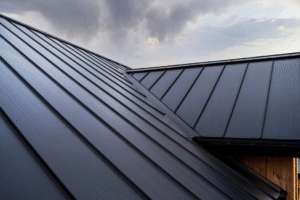
Different systems, including metal roofing in Lawrenceville, need system-specific attention to seams, flashing, penetrations, finishes, and drainage. Contact Absolute Roofing Services to discuss a maintenance approach suited to the existing roof and property needs.