Protecting your industrial building from the intense Georgia sun requires a functional surface that reflects heat and prevents water intrusion. If your current roof is aging but remains structurally sound, applying a restorative coating is a cost-effective way to avoid a full commercial roofing tear-off. You must decide between silicone and aluminum based on your drainage patterns and your specific budget requirements for long-term maintenance. Consulting with a professional roofing service in College park will help you identify which chemistry aligns with your building’s existing membrane and structural needs.
The Superior Ponding Water Resistance Of Silicone
Silicone coatings are high-solids, moisture-cured liquids that create a thick, rubberized membrane over your existing roof surface. The primary advantage of a silicon roof coating is its ability to withstand permanent ponding water without breaking down or peeling. Because silicone is chemically inert, it does not dissolve or soften when water sits on it for extended periods. This makes it the ideal solution for flat roofs with slight depressions or inefficient drainage systems where water tends to gather after a storm.
In addition to its water resistance, silicone is highly flexible and can handle the extreme thermal expansion and contraction of the local climate. It stays stable across a wide range of temperatures, ensuring that your seams and transitions remain watertight as the building shifts. While the material cost for silicone is generally higher than other options, it often requires less labor because a single thick coat is usually sufficient for most applications. You receive a seamless, durable barrier that significantly lowers the temperature of your roof deck and reduces your monthly energy demand.
The UV Shielding Power Of Aluminum Coatings
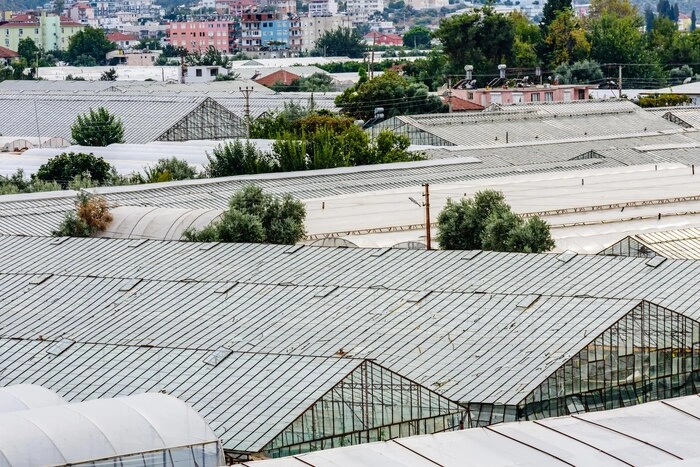
Aluminum roof coatings consist of a solvent-based mixture of asphalt and metallic aluminum flakes that create a bright, reflective shield. These aluminum roof coatings in College Park work by reflecting a high percentage of the sun’s ultraviolet rays away from the building, which prevents the underlying asphalt from becoming brittle and cracking. The metallic flakes “leaf” to the surface during the curing process, creating a finish that looks like a sheet of silver. This reflectivity is highly effective at lowering cooling costs for large warehouses and industrial facilities that lack heavy insulation.
However, it is important to understand that aluminum coatings are not designed to handle standing water. If your roof has low spots where water remains for more than 48 hours, an aluminum coating will eventually flake off and lose its protective bond. This material is best suited for roofs with excellent slopes and positive drainage where water exits the building quickly. Aluminum is often the most affordable choice for basic UV protection and is commonly used to extend the life of modified bitumen or smooth-surfaced built-up roofing systems.
Key Differences In Maintenance And Longevity
Choosing between these two systems often comes down to how much maintenance you are willing to perform over the next decade. Silicone is a permanent restorative solution that can last up to twenty years if applied at the correct thickness, but it does attract dirt more easily than aluminum. This means you may need to wash the surface occasionally to maintain its maximum solar reflectance and energy-saving benefits. If the surface becomes too dirty, it will absorb more heat, which can diminish the thermal performance of your building envelope.
Aluminum coatings typically have a shorter service life, usually requiring a refresh every five to seven years to maintain their metallic luster and reflective properties. Because the solvent-based carrier eventually evaporates, the coating will dull over time and provide less protection against the sun. You must also ensure the surface is completely free of oils and debris before reapplication to guarantee proper adhesion. Understanding these maintenance cycles allows you to plan your capital expenditures more accurately while ensuring your facility stays dry and protected through every season.
- Silicone: Best for roofs with ponding water issues and long-term durability goals.
- Aluminum: Best for sloped roofs needing affordable UV protection and heat reduction.
- Compatibility: Always perform an adhesion test to ensure the coating bonds with your existing membrane.
Secure Your Facility With Expert Restorative Solutions
Deciding on the right coating requires a factual assessment of your building’s current drainage and surface condition. Investing in a professional roof inspection allows you to identify hidden moisture and structural weak points before you apply any restorative layer. Whether you are looking for the maximum water resistance of silicone or the cost-effective heat shielding of aluminum, the quality of the application determines the success of the project. A well-maintained roof prevents expensive interior damage and keeps your operational costs predictable for years.
Absolute Roofing Services provides the technical expertise and high-quality materials needed to modernize your building. We offer a comprehensive professional roofing contractor in Atlanta that specializes in the application of both silicone and aluminum coatings for industrial properties.
Contact us today to receive a factual evaluation and find the best silicon roof coating in College Park or aluminum solution for your specific structural needs.