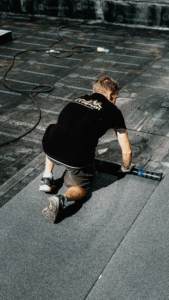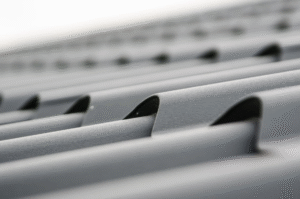
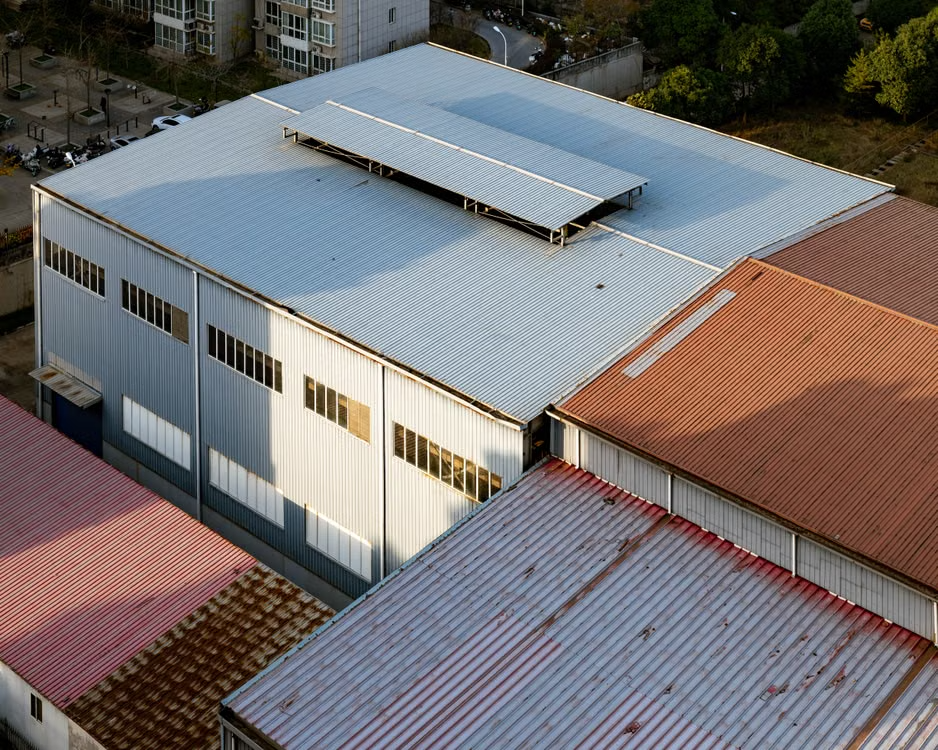
Selecting the right commercial roofing system is one of the most important decisions a property owner can make. A roof protects employees, equipment, inventory, and daily operations while contributing to long-term building performance. Every roofing system offers different characteristics regarding durability, maintenance requirements, installation methods, and expected service life. Understanding these differences helps property owners make informed decisions before investing in a roofing project. Learning about TPO roofing in Atlanta and other commercial roofing systems provides a strong foundation for choosing the most appropriate solution for a building’s specific needs.
TPO Roofing
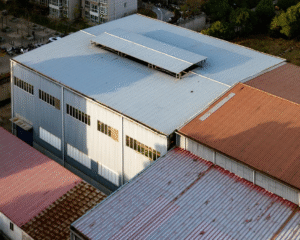
Thermoplastic Polyolefin, commonly known as TPO, is one of the most widely installed commercial roofing membranes for flat and low-slope buildings. This single-ply roofing system consists of a durable membrane that is mechanically fastened or fully adhered to the roofing surface. Heat-welded seams help create reliable waterproof protection between membrane sections.
One of the primary advantages of TPO roofing is its reflective surface, which helps reduce heat absorption during warmer weather. Lower roof temperatures may contribute to improved energy efficiency while helping reduce stress on roofing materials. TPO membranes also provide dependable resistance against moisture, sunlight, and normal weather exposure.
Routine inspections remain important for monitoring membrane condition, flashing, drainage systems, and seam integrity.
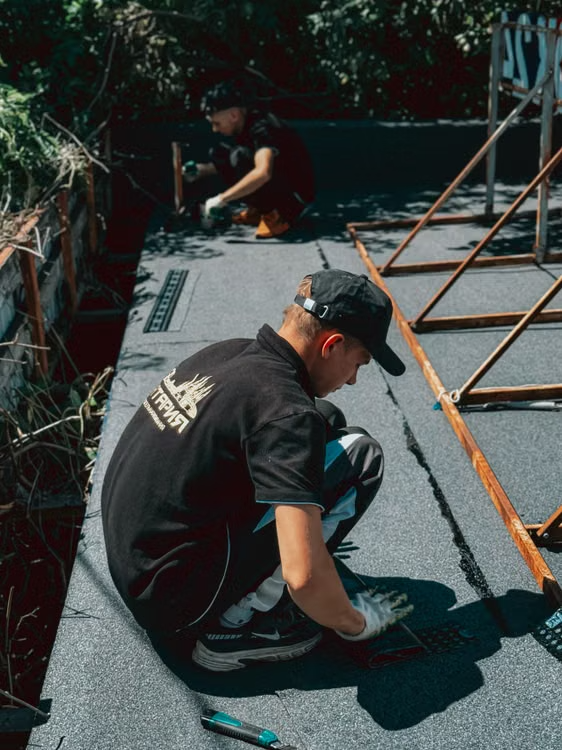
EPDM Roofing
Ethylene Propylene Diene Monomer, known as EPDM, is another trusted roofing system frequently used on commercial buildings. EPDM roofing is recognized for its flexibility and dependable weather resistance. The rubber membrane adapts well to changing temperatures and normal structural movement without placing excessive stress on roofing materials.
EPDM performs well on office buildings, warehouses, schools, healthcare facilities, and many other commercial properties. Proper installation, combined with regular maintenance, helps the roofing system provide dependable protection for many years.
Professional inspections evaluate membrane surfaces, flashing, drainage systems, roof penetrations, and seams. Addressing minor concerns early supports reliable waterproof protection and reduces the likelihood of more extensive repairs.
Built-Up Roofing
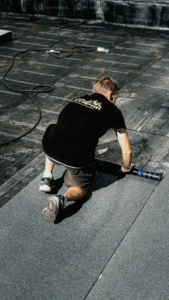
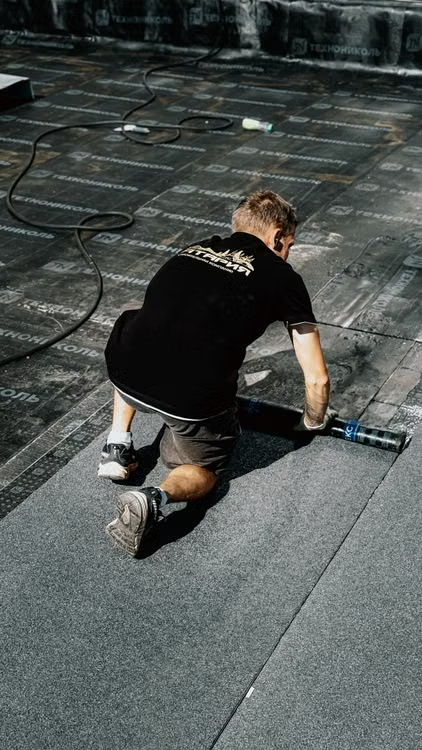
Built-up roofing, commonly referred to as BUR, has protected commercial buildings for generations. Built-up roofing in Atlanta consists of multiple reinforcing layers combined with asphalt or bitumen before receiving a protective surface finish. The layered construction creates a durable roofing assembly designed to withstand regular weather exposure.
Because the system contains several protective layers, built-up roofing provides dependable resistance against moisture penetration while helping distribute environmental exposure across the entire roofing surface. This design makes BUR a practical choice for many commercial buildings seeking reliable long-term performance.
Routine maintenance includes inspecting surface materials, flashing, drainage systems, and roof penetrations to ensure every component continues functioning properly.
Metal Roofing
Metal roofing continues growing in popularity for commercial applications because of its strength and long service life. Metal roofing is available in several materials, including steel, aluminum, and copper, allowing property owners to choose a roofing system that aligns with their operational needs and budget.
Steel remains one of the most common options because of its durability and protective coatings that help reduce corrosion. Aluminum naturally resists rust, making it suitable for properties exposed to higher moisture levels. Copper provides exceptional longevity while developing a distinctive appearance over time.
Proper installation is essential for long-term performance. Roofing professionals carefully install panels, flashing, fasteners, and ventilation components according to manufacturer recommendations to help provide dependable waterproof protection.
Comparing Durability and Performance
Each commercial roofing system offers dependable protection when installed correctly and supported by routine maintenance. TPO roofing in Atlanta performs well against moisture while reflecting sunlight to help manage roof temperatures. EPDM remains valued for flexibility during changing seasonal conditions. Built-up roofing provides multiple protective layers that help reduce water intrusion over time. Metal roofing offers exceptional strength and dependable weather resistance while maintaining long-term structural stability.
No roofing material is automatically the best choice for every commercial property. Building design, roof slope, maintenance expectations, weather exposure, and long-term ownership plans all influence which roofing system provides the greatest overall value.
Maintenance Requirements
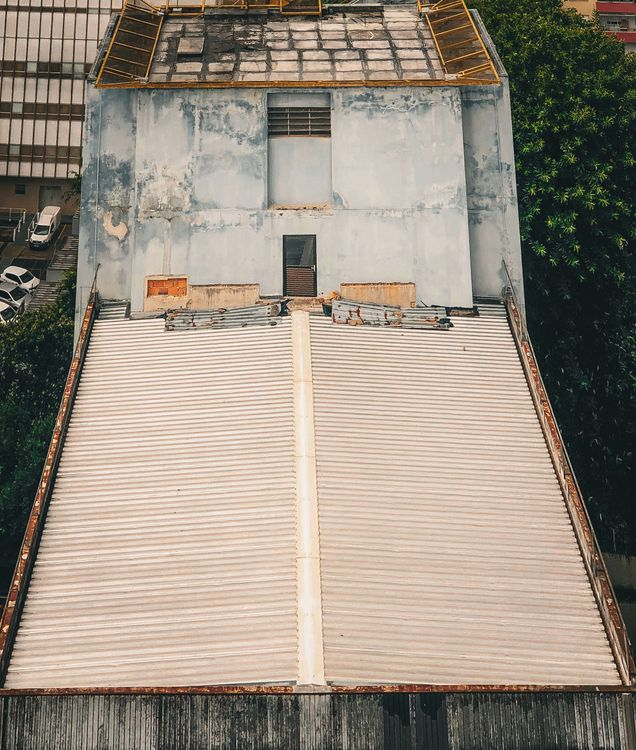
Every commercial roof benefits from scheduled maintenance regardless of the material selected. Roofing professionals inspect flashing, roof penetrations, drainage systems, seams, surface materials, and overall roofing condition during routine service visits. Removing debris, correcting drainage concerns, and repairing minor damage promptly help preserve roof performance.
Maintenance records also provide valuable documentation regarding the roof’s condition throughout its service life. These records support future budgeting, simplify maintenance planning, and help property owners monitor the effectiveness of previous repairs. Consistent maintenance reduces the likelihood of unexpected roofing failures while helping extend the useful life of the roofing system.
Choosing the Right Roofing System
Selecting a commercial roofing system should involve more than comparing installation costs alone. Property owners should evaluate anticipated maintenance requirements, expected lifespan, building use, energy efficiency goals, and future operational needs before making a final decision. A warehouse may have different roofing priorities than an office building, healthcare facility, retail center, or manufacturing plant.
Professional roofing evaluations help identify structural considerations, drainage requirements, existing roof conditions, and installation recommendations that support dependable long-term performance.
A Roofing System Built to Last
Every commercial roofing system provides distinct advantages depending on the property’s design and operational requirements. TPO, EPDM, built-up, and metal roofing each offer dependable protection when installed properly and maintained regularly. Whether you need guidance from a roofing contractor in Atlanta, are considering TPO roofing, or want dependable roofing service in Atlanta, reach out to Absolute Roofing Services for professional recommendations and roofing solutions that help protect your commercial property with lasting confidence. Contact us today.