If you are currently looking for a roofing contractor in Atlanta, you are likely trying to weigh the pros and cons of different materials. Selecting the right commercial flat roof membranes for your facility is a decision that affects your energy bills and maintenance costs for decades. In the Southeast, your roof must handle extreme UV exposure, high humidity, and sudden heavy rainstorms without failing.
How To Decide Between TPO Vs EPDM Roofing For Commercial Buildings?
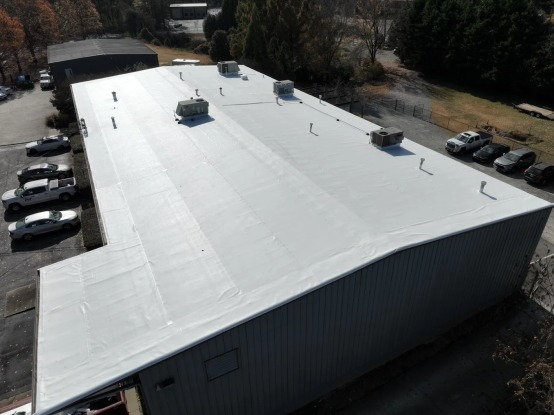
To decide between TPO and EPDM, evaluate your building’s cooling needs and sun exposure. TPO is a white, heat-welded membrane that reflects sunlight to lower energy costs. EPDM is a durable black rubber that handles foot traffic well but absorbs more heat, making it less efficient in hot southern climates.
When you look at your facility, consider how much you spend on air conditioning. TPO (Thermoplastic Polyolefin) has become a standard choice for modern warehouses because it stays cool. EPDM (Ethylene Propylene Diene Terpolymer) is an older technology that is very reliable and stays flexible in the cold, but it can reach extremely high temperatures during a Georgia summer.
| Feature | TPO Roofing | EPDM Roofing |
| Color | White or Light Gray | Black |
| Seam Method | Hot-Air Welded | Adhesive Tape |
| Heat Absorption | Low (Reflective) | High (Absorbent) |
| UV Resistance | Excellent | Very Good |
| Puncture Resistance | Good | Excellent |
How Long Does TPO Roofing Last In Atlanta Weather?
In the Atlanta weather, a professionally installed TPO roof typically lasts between 15 and 25 years. Its lifespan depends on the thickness of the membrane, the quality of the heat-welded seams, and how often you perform routine maintenance to remove debris and check for physical damage.
The intense sun in Georgia is the biggest threat to any roofing material. TPO is specifically designed to resist UV degradation. However, because it is a stiffer material than rubber, it can sometimes become brittle toward the end of its life. If you choose a thicker 60-mil or 80-mil membrane, you will get more years of service compared to a thinner 45-mil option.
- Installation Quality: Seams welded with hot air are stronger than the material itself.
- Reflectivity: Staying cool prevents the material from breaking down chemically.
- Maintenance: Keeping the surface clean prevents algae from trapping heat.
Which Membrane Offers Better Energy Efficiency In Georgia?
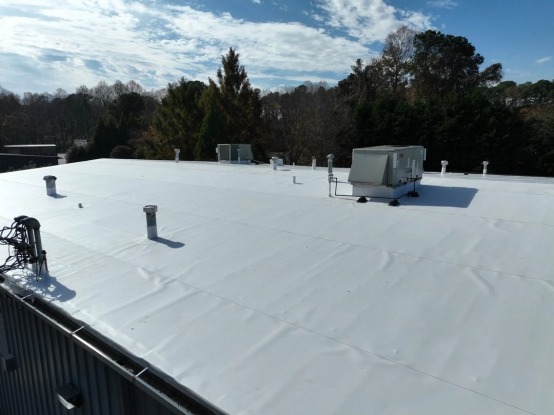
TPO offers better energy efficiency in Georgia because its white surface reflects the majority of solar radiation. This keeps the building interior cooler and significantly reduces the load on your HVAC system. EPDM absorbs heat, which can increase indoor temperatures and lead to much higher monthly cooling expenses.
If your building has a large footprint, the “heat island” effect can be a major problem. Black EPDM roofs can reach 150 degrees Fahrenheit on a typical July afternoon. A white TPO roof will usually stay within 10 to 15 degrees of the ambient air temperature. This temperature difference directly translates to lower power bills and less wear on your cooling equipment.
How Does Humidity Affect TPO And EPDM Performance?
Humidity affects these membranes primarily through biological growth and adhesive performance. TPO seams are welded together, so they do not rely on glues that can weaken in damp conditions. EPDM uses adhesive tapes that can eventually fail if the roof has poor drainage or stays wet for long periods.
- Seam Integrity: TPO creates a monolithic sheet that is highly resistant to moisture.
- Algae Resistance: TPO often has a smoother surface that is harder for mold to grip.
- Ponding Water:Both materials handle water well, but TPO’s welded seams offer more security.
What Is The Maintenance Difference Between These Systems?
EPDM generally requires more frequent seam inspections because the adhesive tapes can dry out or peel over time. TPO requires less seam work but may need periodic cleaning to maintain its white, reflective surface. Both systems benefit from professional inspections twice a year to identify punctures or drainage blockages.
If you have a lot of equipment on your roof, like HVAC units or solar panels, you will have more foot traffic. EPDM is a bit more forgiving when people walk on it because it is made of durable rubber. TPO can be slippery when wet, so you must install designated walkway pads to protect the membrane in high-traffic areas.
Making The Right Choice For Your Facility
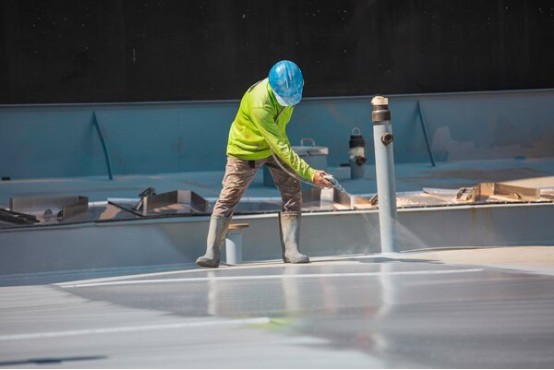
Choosing between these materials is easier when you focus on long-term value. While EPDM is a time-tested rubber solution, most businesses in the Southeast prefer TPO roofing in Atlanta because of the massive energy savings it provides. Ensuring you get a high-quality roof installation in Atlanta is the only way to guarantee that your investment lasts for its full expected lifespan.
Absolute Roofing Services provides the professional guidance you need to select and install the perfect system for your commercial property. We specialize in high-performance membranes that stand up to the local heat and humidity. Get in touch for a thorough roof inspection in Atlanta to see which solution fits your building best.
Contact us to find out more.