Commercial roofing systems must withstand changing weather, constant sun exposure, rainfall, and daily wear throughout the year. For many property owners, built-up roofing continues to be a dependable solution because of its layered construction and long history of reliable performance. Often referred to as BUR, this roofing system is commonly installed on low-slope and flat commercial buildings where durability and water resistance are important priorities.
What Is Built-Up Roofing?
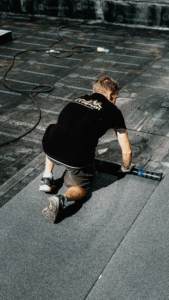
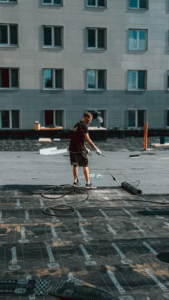
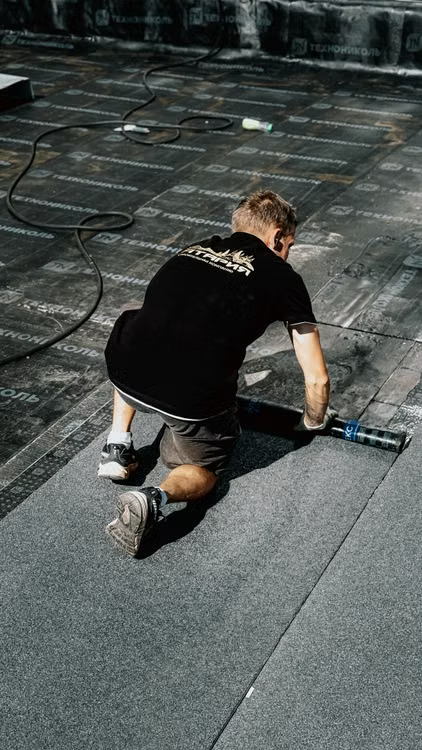
Built-up roofing consists of multiple layers that work together to create a strong protective barrier. The system generally includes roofing felts or reinforcing fabrics combined with asphalt or bitumen between each layer. These materials are installed one at a time until the desired thickness is achieved. A protective surface layer, often made with gravel or mineral coating, completes the roofing system.
Unlike single-ply roofing materials, built-up roofing relies on several overlapping layers instead of a single membrane. This design provides additional strength while helping reduce the possibility of water reaching the roof deck through isolated damage. The completed roofing assembly forms a dependable barrier that supports long-term weather protection for many commercial buildings.
How Each Roofing Layer Provides Protection
Every layer within a built-up roofing system serves an important purpose. The base layer creates a stable foundation for the remaining materials. Reinforcing fabrics provide structural strength while allowing the roofing assembly to resist everyday movement caused by temperature changes. Asphalt or bitumen bonds the materials together while forming waterproof barriers between each layer.
The top protective surface shields the roofing system from sunlight, weather exposure, and normal foot traffic associated with commercial roof maintenance. When these layers function together, they provide dependable resistance against moisture while helping extend the service life of the roofing system. Properly installed layers also help distribute stress more evenly across the roof surface during changing seasonal weather conditions.
Weather Resistance for Commercial Buildings
Commercial buildings require roofing systems capable of handling changing weather conditions throughout the year. Built-up roofing performs well because its multiple waterproof layers create several lines of defense against rain and moisture. If the upper surface experiences damage, additional layers beneath continue helping prevent water intrusion.
The roofing system also performs well during periods of intense sunlight because the protective surface helps reduce direct exposure to underlying materials. Combined with routine inspections and maintenance, this layered construction allows built-up roofing to provide dependable protection for many commercial properties over an extended period. This added durability can help reduce unexpected repair needs caused by routine weather exposure throughout the year.
Buildings That Benefit From Built-Up Roofing
Built-up roofing is commonly selected for office buildings, warehouses, retail centers, schools, healthcare facilities, and industrial properties with low-slope roof designs. Larger commercial roofs often benefit from the durability provided by multiple protective layers, particularly where long-term weather resistance is an important consideration.
Property owners seeking dependable performance with proven roofing technology frequently consider built-up roofing among their available options. The roofing system can also accommodate rooftop equipment, provided installation and flashing are completed correctly by experienced roofing professionals. It remains a practical solution for facilities that require dependable protection while supporting normal commercial operations without frequent roofing interruptions.
Maintenance Supports Long-Term Performance
Although built-up roofing is known for durability, regular maintenance remains an important part of protecting the investment. Routine inspections help identify loose flashing, drainage concerns, surface wear, or small areas requiring attention before they become more expensive repairs.
Removing debris from the roof allows drainage systems to function properly and reduces standing water after heavy rainfall. Property owners should also schedule professional inspections following severe storms to verify that the roofing system continues performing as intended. Consistent maintenance often extends roof life while helping reduce repair costs throughout the system’s service period. Keeping maintenance records also supports better planning for future roofing work and budgeting.
Professional Installation Makes a Difference
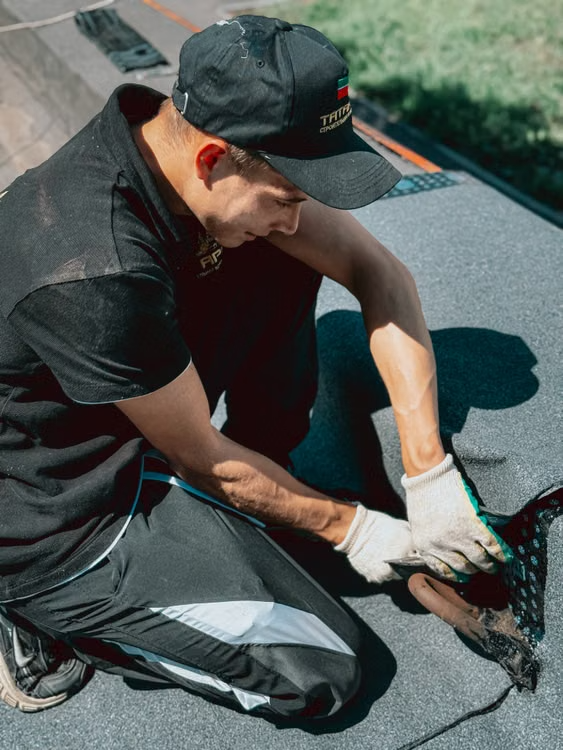
The performance of any commercial roofing system depends heavily on proper installation. Each layer of built-up roofing must be installed correctly to achieve reliable waterproof protection and structural performance. Improper installation may create weak points that affect the roofing system over time.
Experienced roofing professionals understand proper material placement, correct bonding methods, flashing installation, drainage design, and manufacturer recommendations. Careful workmanship supports dependable performance while reducing the likelihood of preventable roofing problems developing after installation. Following established installation methods also helps maximize the expected service life of the completed roofing system.
Planning for Long-Term Value
Commercial roofing represents a significant investment, making careful planning worthwhile before selecting any roofing system. Property owners should consider expected building use, maintenance requirements, weather conditions, budget, and anticipated service life when comparing available roofing materials.
A professional roofing assessment provides valuable information regarding the condition of the existing roof, available installation options, and realistic maintenance expectations. This planning process helps business owners choose a roofing solution that supports both current operational needs and future property goals. Careful planning before installation also helps reduce unexpected costs and supports informed long-term property management decisions.
Secure Reliable Multi-Layer Roof Protection
Built-up roofing continues to provide dependable protection through its proven multi-layer construction, helping commercial buildings resist moisture, changing weather, and everyday wear. When installed correctly and maintained regularly, it offers lasting value for many low-slope roofing systems. Whether you need guidance from a roofing contractor in Atlanta, are considering built-up roofing, or want dependable roof maintenance in Atlanta, reach out to Absolute Roofing Services for professional commercial roofing solutions designed to protect your investment for years ahead. Contact us today.