A roofing project involves much more than replacing shingles or repairing damaged sections. Every successful roofing project begins with a careful evaluation that identifies the roof’s condition and determines the most appropriate solution. Whether the outcome involves maintenance, repairs, or complete replacement, understanding each step helps property owners prepare for the process with confidence. Learning how roof Inspection fits into the overall roofing process also helps property owners make informed decisions that support long-term roof performance while protecting their investment.
Step One: The Professional Roof Inspection
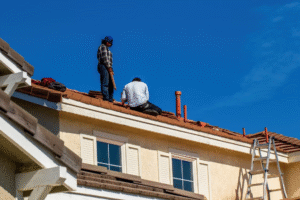
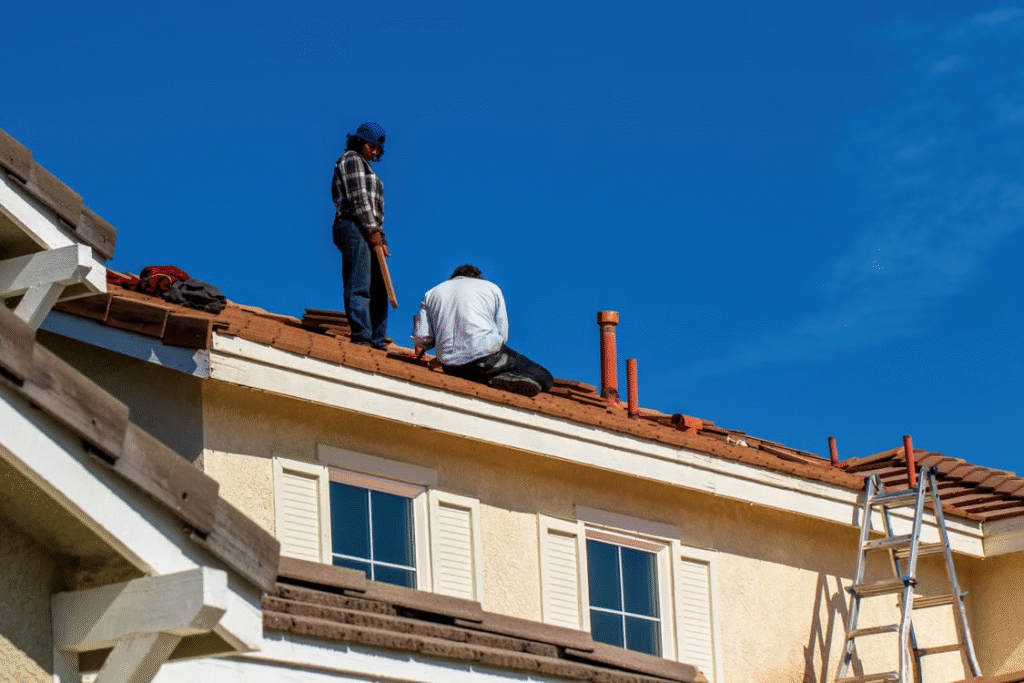
Every roofing project should begin with a thorough inspection performed by experienced roofing professionals. During this evaluation, the roof’s surface, flashing, roof penetrations, drainage systems, ventilation components, and structural condition are carefully assessed. Roofing professionals also inspect for missing materials, moisture intrusion, storm damage, deteriorating sealants, and signs of normal aging.
Interior areas may also be evaluated if water intrusion or structural concerns are suspected. Ceilings, insulation, and attic spaces often provide additional information regarding hidden roofing problems that may not be immediately visible from the roof itself.
The information gathered during the inspection forms the basis for all future roofing recommendations.
Step Two: Identifying the Right Solution
After completing the inspection, roofing professionals determine whether maintenance, repairs, or replacement offers the most practical solution. Small concerns such as damaged flashing, isolated leaks, loose roofing materials, or clogged drainage systems can often be addressed through timely repairs.
More extensive deterioration, repeated leaks, aging roofing materials, or structural concerns may indicate that replacement provides better long-term value. Property owners receive recommendations based on the overall condition of the roofing system rather than isolated problem areas alone.
Understanding the roof’s current condition allows property owners to plan roofing work more effectively while avoiding unnecessary expenses.
Step Three: Roof Maintenance and Minor Repairs
Many roofing systems continue performing well with routine maintenance and prompt repairs. Preventive maintenance includes clearing debris, inspecting flashing, sealing minor gaps, evaluating drainage systems, and replacing worn roofing components before larger problems develop.
Timely repairs help prevent moisture from reaching insulation, decking, ceilings, and other structural materials. Addressing roofing concerns early often reduces repair costs while supporting dependable roof performance for many additional years.
Routine maintenance records also provide valuable documentation regarding the roof’s condition, making it easier to schedule future service and monitor long-term performance.
Step Four: Preparing for Roof Replacement
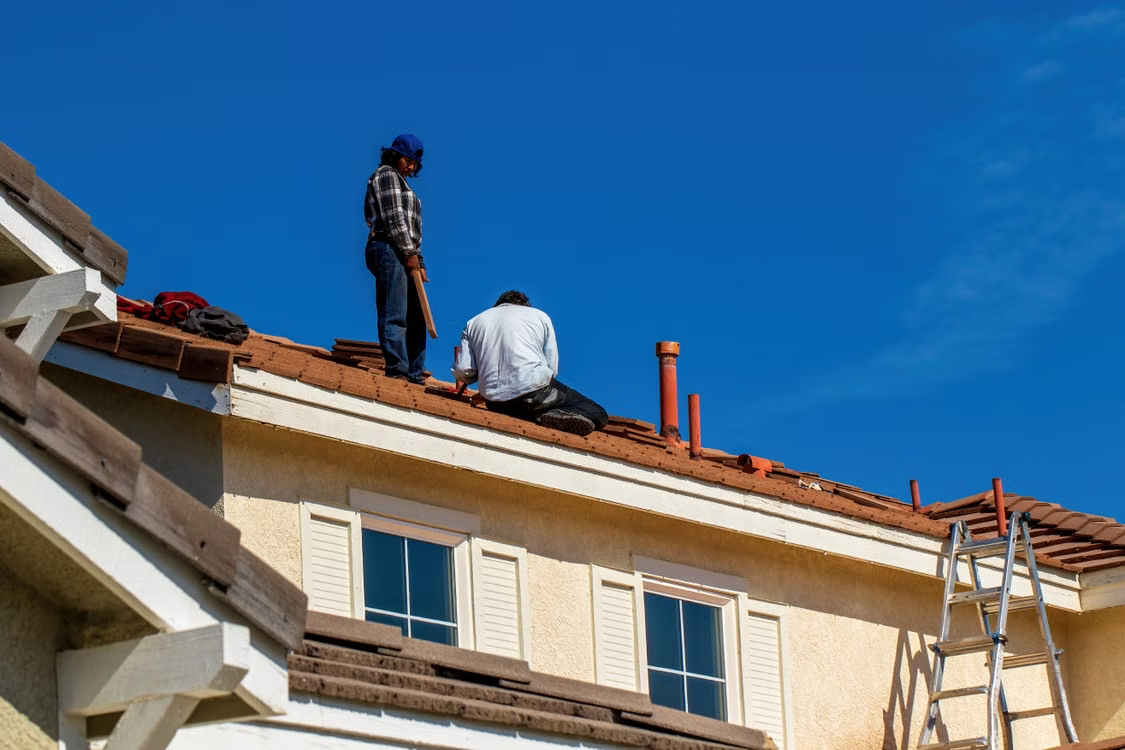
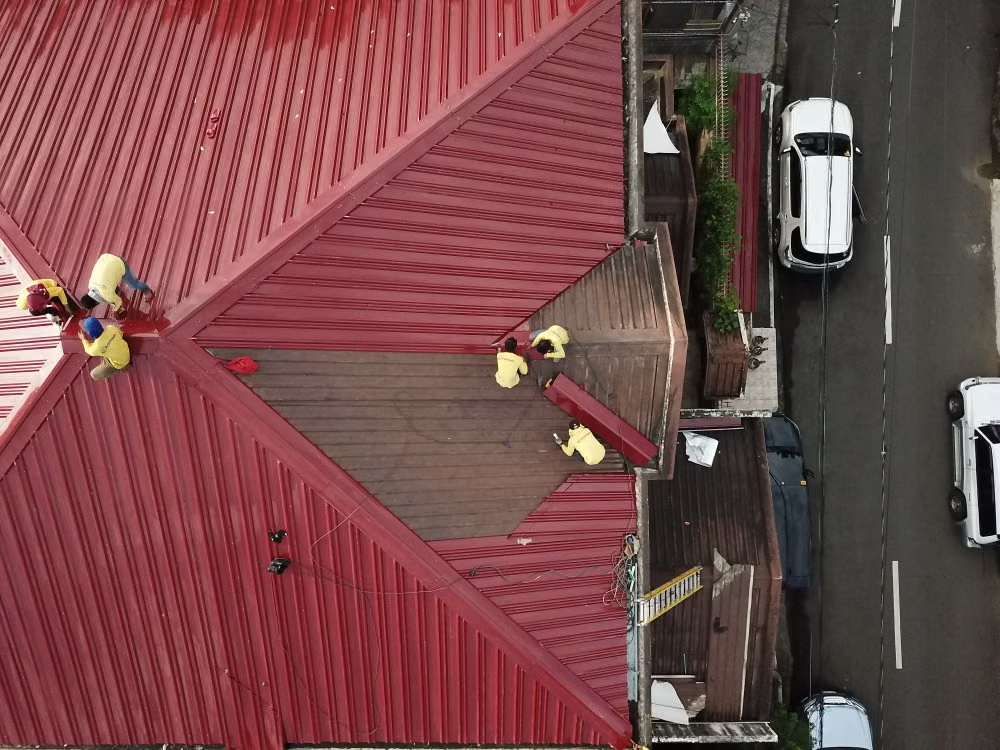
When replacement becomes the most practical option, careful planning helps the project proceed efficiently. Roofing professionals discuss available roofing materials, installation methods, scheduling, building access, safety procedures, and project expectations with the property owner before work begins.
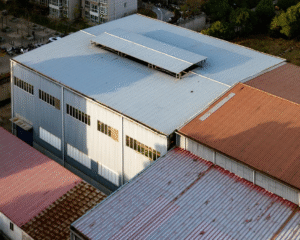
Material selection depends on factors including building design, roof slope, environmental exposure, expected service life, maintenance preferences, and long-term ownership goals. Commercial properties may consider membrane roofing systems, built-up roofing, or metal roofing, while residential buildings often evaluate different roofing materials based on appearance, durability, and performance.
Step Five: Professional Roof Installation
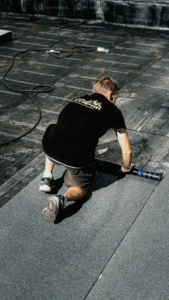
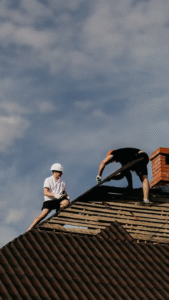
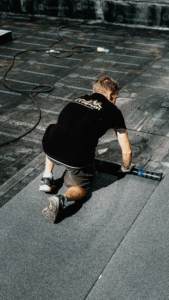
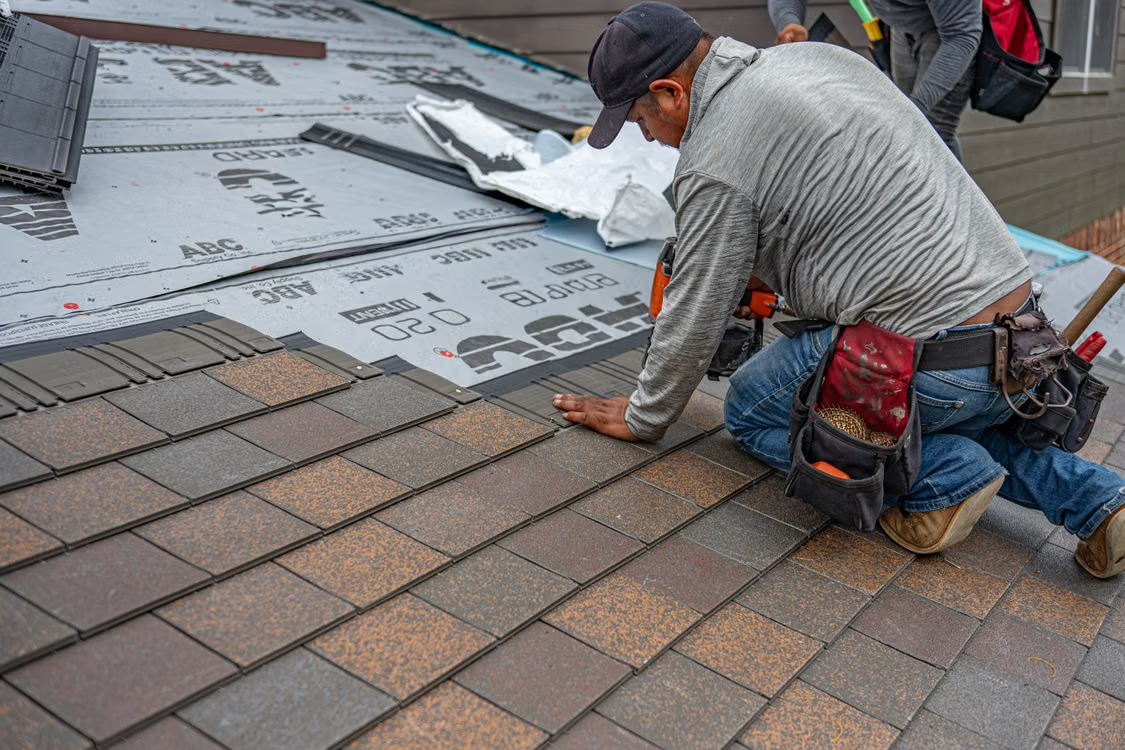
Once planning is complete, the installation process begins with preparing the work area and removing roofing materials when necessary. Roofing professionals inspect the roof deck to verify it remains structurally sound before installing new materials. Any damaged decking or supporting components are repaired before the roofing system is installed.
Installation continues with underlayment, flashing, ventilation components, drainage features, and the selected roofing materials. Every component works together to create dependable weather protection. Careful workmanship and manufacturer-approved installation methods help support long-term roof performance while reducing the likelihood of preventable roofing concerns.
Throughout the project, roofing professionals monitor installation quality to verify materials are installed correctly and consistently. Proper installation provides the foundation for reliable performance throughout the roof’s expected service life.

Step Six: Final Inspection and Project Completion
After installation is finished, a final inspection confirms every part of the roofing system has been completed according to project requirements. Roofing professionals examine flashing, fasteners, roof penetrations, drainage systems, ventilation, and overall workmanship before approving the completed project.
The work area is cleaned thoroughly, remaining materials are removed, and property owners receive information regarding maintenance recommendations and future inspections. This final review provides confidence that the roofing system is ready to provide dependable protection.
Step Seven: Ongoing Roof Care
Roofing projects do not end after installation or repairs are completed. Routine inspections remain an important part of preserving long-term performance. Regular maintenance allows roofing professionals to identify developing concerns before they become larger roofing problems that affect the building’s interior.
Preventive care includes evaluating drainage systems, flashing, roof penetrations, roofing materials, sealants, and overall roof condition. Maintenance records also help property owners monitor roofing performance while preparing for future budgeting and roofing projects.
Consistent maintenance supports dependable protection while helping maximize the useful life of the roofing system.
Build a Stronger Roof for the Future
Understanding each stage of the roofing process helps property owners make informed decisions, prepare realistic budgets, reduce unexpected roofing concerns, and maintain dependable protection that supports long-term building performance and value.
Every roofing project follows a process designed to identify the most appropriate solution while protecting the property for years to come. From inspection and maintenance to repairs and complete replacement, each stage contributes to dependable long-term performance. Whether you need roof maintenance, reliable roof replacement in Atlanta, or guidance from a roofing contractor in Atlanta, reach out to Absolute Roofing Services for professional roofing solutions that help protect your investment with confidence. Contact us today.