Choosing the right roofing design for a commercial building is a critical decision. A roof is not just a protective barrier—it impacts energy efficiency, maintenance costs, drainage, structural integrity, and even aesthetics. When considering flat roof vs sloped roof options, property owners must evaluate their building’s function, budget, and long-term goals. This guide by one of Atlanta’s leading roofing contractors explores the pros and cons of both roof types to help make an informed choice.
Understanding the Basics
Before comparing pros and cons, it’s essential to understand the basic design differences between flat roofs and sloped roofs.
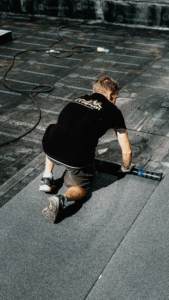
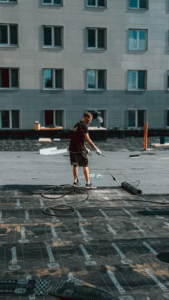
Flat Roofs: Flat roofs are almost horizontal, typically sloping only 1–2% to allow proper drainage. They are commonly installed in warehouses, retail spaces, industrial facilities, and modern office buildings. Flat roofs often use single-ply membranes such as TPO, EPDM, or PVC, or traditional built-up roofing systems (BUR) for durability and waterproofing.
Flat roofs are also easier to inspect and maintain due to their accessibility. However, they require careful attention to drainage and slope during installation to avoid water accumulation, which can lead to leaks or structural issues.
Sloped Roofs: Sloped roofs, also known as pitched roofs, have a pronounced angle designed to shed water and snow efficiently. They are often seen on office buildings, hotels, educational facilities, and retail properties where aesthetics and water management are priorities.
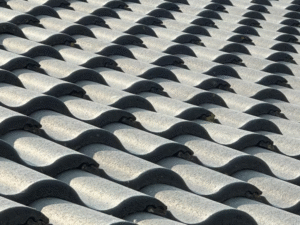
Materials for sloped roofs include metal panels, asphalt shingles, clay or concrete tiles, and standing-seam metal systems. Sloped roofs provide natural drainage, reducing the risk of leaks and standing water, but they are more expensive to install and require special safety considerations for maintenance.
Pros of Flat Roofs
- Cost-Effective Installation
Flat roofs are generally cheaper to install than sloped roofs due to lower material costs and simpler construction techniques. A single-ply membrane can cover large areas quickly, reducing labor expenses. - Ease of Access
Flat roofs allow easy access for inspections, repairs, and routine maintenance. Rooftop HVAC systems, solar panels, satellite dishes, and other equipment can be serviced safely without specialized scaffolding or equipment.
This accessibility reduces the overall cost of maintenance and allows property managers to perform more frequent inspections, which helps in identifying minor issues before they escalate into costly repairs.
- Space Utilization
Flat roofs can double as functional spaces. Many commercial properties use flat roofs for rooftop gardens, terraces, or additional storage. This versatility is especially valuable in urban settings. - Simpler Structural Design
Because flat roofs exert less downward pressure than sloped roofs, they require less complex framing. This can reduce construction costs, particularly for wide-span commercial buildings. - Modern Design Appeal
For contemporary commercial architecture, flat roofs offer a clean, minimalist look that aligns with modern design trends. They are often preferred for office buildings, retail centers, and industrial facilities.
Cons of Flat Roofs
- Drainage Challenges
Despite slight slopes, flat roofs are more prone to ponding water compared to sloped roofs. If drains are clogged or improperly installed, water can accumulate for days after rainfall, accelerating membrane deterioration. Standing water increases the risk of leaks and structural damage.
Property owners in regions with heavy rainfall or frequent snow should invest in properly engineered drainage systems, including internal drains, scuppers, or tapered insulation systems to guide water toward outlets.
- Maintenance Requirements
Flat roofs demand more frequent inspections to monitor seams, flashing, drains, and membrane integrity. Minor problems like a clogged drain, a small puncture, or a membrane tear can escalate quickly if left unaddressed. Commercial property owners should schedule at least bi-annual inspections and post-storm checks to prevent costly repairs. - Limited Aesthetic Appeal
While functional, flat roofs may not provide the same visual appeal as sloped roofs. This can be a consideration for commercial buildings where design and curb appeal are important.
Pros of Sloped Roofs
- Efficient Drainage
Sloped roofs naturally shed water, snow, and ice, reducing the risk of leaks and structural stress. In areas with heavy rainfall or snowfall, sloped roofs protect the building from water infiltration and prevent ice dams that can damage the roof structure and interior. - Longer Lifespan
Sloped roofs generally last longer than flat roofs. Metal panels, asphalt shingles, or tile systems can remain effective for 30–50 years or more, reducing long-term replacement costs. - Energy Efficiency Options
Sloped roofs can accommodate reflective coatings, insulation, and ventilation systems more effectively, improving energy efficiency and indoor comfort. Properly ventilated sloped roofs reduce heat buildup and prolong roofing material life. - Aesthetic Versatility
Sloped roofs enhance curb appeal and can elevate a commercial property’s professional image. This is particularly important for client-facing businesses such as hotels, corporate offices, and retail centers. A visually appealing roof can even impact property value.
Cons of Sloped Roofs
- Higher Installation Costs
Sloped roofs typically cost more to install due to increased material needs, complex framing, and longer labor time. Steep slopes may also require specialized safety equipment, adding to expenses. - Difficult Access for Maintenance
Inspecting and repairing sloped roofs can be challenging and dangerous. Roof-mounted equipment like HVAC systems may require ladders, scaffolding, or crane access. - Limited Usable Space
Unlike flat roofs, sloped roofs rarely provide usable rooftop space. This may limit opportunities for green roofs, terraces, or equipment installation. - Material Sensitivity
Certain sloped roof materials, like shingles or tiles, can be more prone to wind damage or cracking if not installed correctly. Ongoing inspection and maintenance remain important.
Comparing Costs: Flat Roof vs Sloped Roof Commercial
| Factor | Flat Roof | Sloped Roof |
| Installation Cost | Lower upfront cost | Higher upfront cost |
| Material Cost | TPO, EPDM, and PVC are cost-effective | Shingles, metal, and tiles are more expensive |
| Maintenance Cost | Moderate; requires routine inspections | Lower; drainage reduces the risk of leaks |
| Lifespan | 20–30 years (TPO/EPDM) | 30–50 years (metal/tile) |
| Usable Space | Rooftop gardens, solar panels, patios | Mostly aesthetic; limited functional use |
| Aesthetic Value | Modern, minimalistic | Classic, professional appearance |
Environmental and Climate Considerations
Flat Roofs
Flat roofs are well-suited for dry or mild climates but require careful engineering in areas with heavy rainfall or snow. Tapered insulation and internal drains are crucial for preventing ponding. Green roof options can reduce heat island effects, improve storm water management, and lower energy costs.
Sloped Roofs
Sloped roofs excel in climates with frequent rain or snow, as water naturally runs off the roof. However, wind-prone regions require reinforced fasteners and wind-resistant materials. Sloped roofs may also need snow guards or heating cables to prevent ice dam formation in colder climates.
Long-Term Investment and Energy Efficiency
When deciding between a flat roof and a sloped roof for commercial buildings, considering long-term investment and energy efficiency is critical.
Energy Efficiency with Flat Roofs
Flat roofs offer flexibility for energy-saving upgrades. Green roofs provide natural insulation, reduce stormwater runoff, and improve sustainability. Reflective membranes can lower cooling costs by minimizing heat absorption, particularly in hot climates like Atlanta. Over time, these measures can offset initial installation costs.
Energy Efficiency with Sloped Roofs
Sloped roofs naturally support passive energy strategies. Angled metal or tile roofs are ideal for solar panel installation, capturing maximum sunlight while facilitating runoff. Durable materials also reduce long-term maintenance costs.
Impact on Property Value
Energy-efficient and low-maintenance roofs make commercial properties more attractive to tenants and buyers. Rooftop upgrades such as HVAC accessibility, solar panels, or green roofs can increase marketability and ROI.
Technology and Modern Innovations in Commercial Roofing
Commercial roofing has evolved far beyond traditional materials and designs. Modern technologies now play a significant role in enhancing roof durability, energy efficiency, and overall building performance. Understanding these innovations can help property owners make smarter, long-term decisions when evaluating flat roofs vs sloped roofs.
Advanced Roofing Materials
New materials like TPO (thermoplastic olefin), EPDM, and PVC offer flat roofs superior resistance to UV rays, chemical exposure, and extreme temperatures. On sloped roofs, innovations in metal panels, composite shingles, and clay or concrete tiles improve durability, wind resistance, and energy efficiency. These materials often last longer than older counterparts, reducing replacement costs and extending the roof’s lifespan.
Reflective and Cool Roof Technologies
Cool roof coatings and reflective membranes are transforming commercial roofing. These technologies reduce heat absorption, lowering cooling costs and improving indoor comfort. Flat roofs are ideal for applying reflective coatings, while sloped roofs can integrate reflective panels or tiles that optimize energy efficiency without compromising aesthetics.
Solar and Renewable Integration
The rise of solar energy has made rooftops a prime real estate for renewable power. Flat roofs allow for easy installation of solar arrays, while sloped roofs can be oriented for maximum solar exposure. Modern mounting systems are designed for both roof types, ensuring minimal structural impact and long-term energy benefits.
Smart Roof Monitoring
Innovative sensors now allow real-time monitoring of roof health. These systems can detect leaks, temperature fluctuations, and structural issues before they become major problems. For commercial properties, this proactive approach minimizes maintenance costs, prevents unexpected damage, and extends roof life.
Sustainability and Green Roofing
Green roofs and sustainable roofing materials are increasingly popular for environmentally conscious businesses. Flat roofs are particularly suitable for rooftop gardens or vegetation systems that improve insulation and reduce stormwater runoff. Sloped roofs can incorporate solar or rainwater harvesting systems to enhance building sustainability.
By leveraging these modern roofing technologies, commercial property owners can optimize durability, energy efficiency, and environmental impact, making the roof a strategic asset rather than just a functional necessity. Partnering with an experienced roofing contractor in Atlanta ensures that these innovations are implemented correctly, maximizing both performance and ROI.
Absolute Roofing Services: Helping You Choose the Right Commercial Roof
Understanding the flat roof vs sloped roof debate is essential for protecting your building investment. At Absolute Roofing Services, we provide expert guidance, installation, maintenance, and repair for all types of commercial roofing contractor in College park across Atlanta.
Our team evaluates your building design, climate conditions, and operational needs to recommend the most cost-effective, durable, and functional roofing solution.
Whether you need a flat roof for a warehouse, a sloped roof for an office complex, or hybrid solutions combining both, we ensure long-lasting results that safeguard your property and reduce long-term maintenance costs.
Reach out to experts at our Atlanta roofing company today to schedule a consultation and discover which roof type is right for your commercial building.